
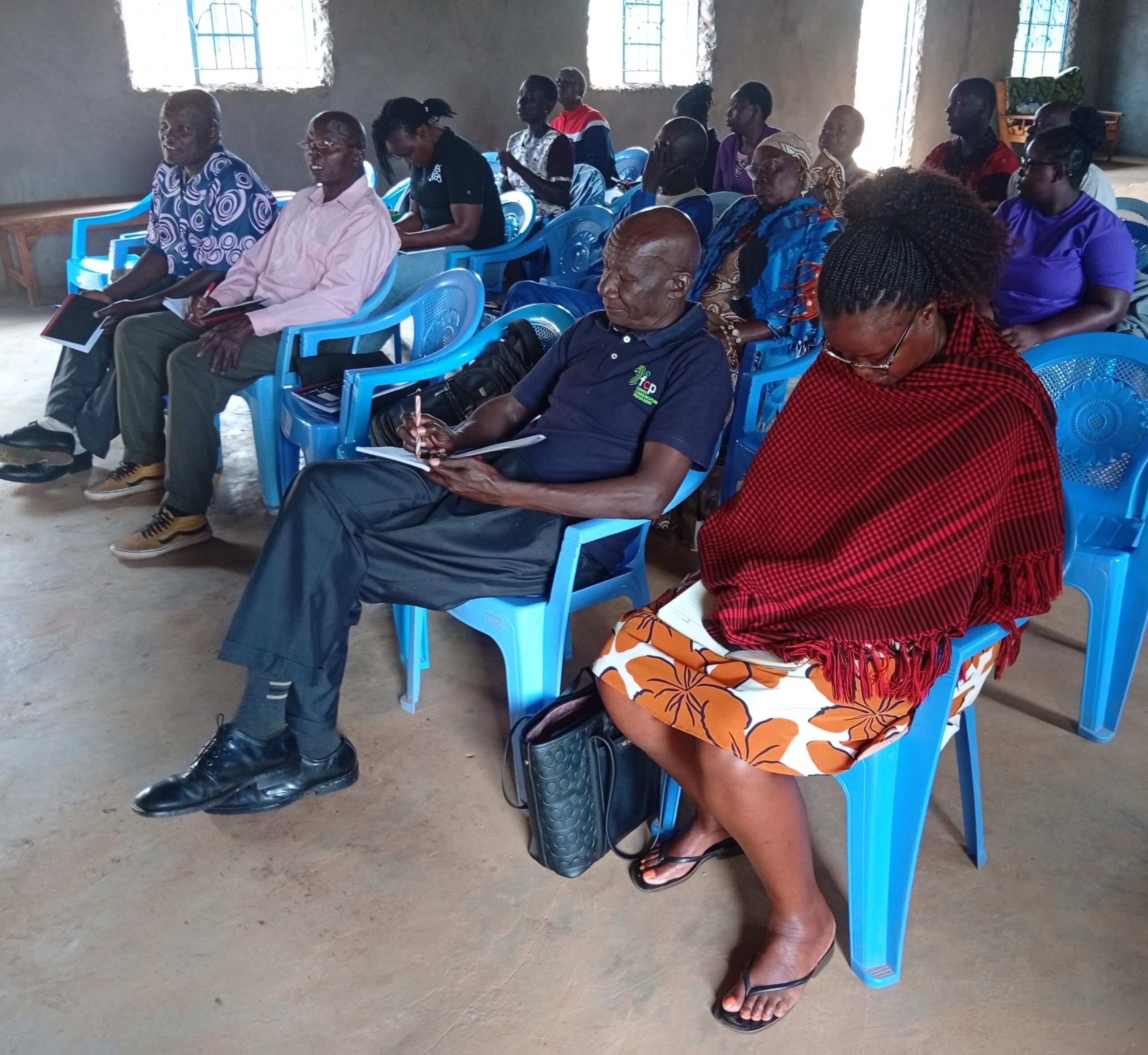
Baridi Kwa Baridi Women CBO participated in the successful completion of the Community Adaptation Action Plan (CAAP) for Bukhayo West Ward under the DaCCA Programme following a four-day participatory planning process held at Skill Church, Mundika.
The process brought together representatives from the County Government, local administration, civil society organisations and community members, including the Chief, Assistant Chief, Ward Administrator, Crop Officer, CSOs and farmers from different clusters across Bukhayo West.
A Community-Led Planning Process
The objective of the workshop was to develop a Community Adaptation Action Plan that accurately reflects the realities, priorities and adaptation needs of Bukhayo West communities.
The CAAP is particularly important because it has been developed ahead of the 2027/28 County Budget Cycle, providing an evidence-based document that communities can use during public participation to advocate for investments that strengthen climate resilience.
Rather than relying solely on technical assessments, the planning process placed community knowledge at the centre of decision-making.
Understanding Climate Risks and Vulnerabilities
Participants examined how climate change affects different population groups and identified the major risks facing youth, women and men.
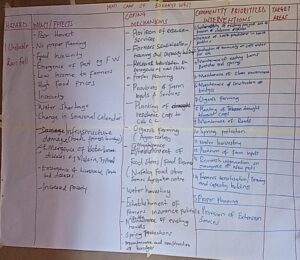
The discussions highlighted challenges including:
Unemployment and declining livelihoods
Crop failure and reduced agricultural productivity
Food insecurity
Water shortages
School dropout
Rural-urban migration
Gender-Based Violence
Reduced household incomes
The workshop also mapped climate hazard hotspots across the ward and documented the growing impact of unreliable rainfall and prolonged dry spells.
Participants further identified emerging agricultural pests and diseases affecting crops and livestock, including Fall Armyworm (FAW), Cassava Brown Streak Disease, Cassava Mosaic Disease (CMD), bacterial wilt, fruit flies, aphids, potato weevils, ticks, mastitis and East Coast Fever.
Existing Community Coping Mechanisms
Communities shared adaptation practices already being implemented to reduce climate risks, including:
Climate-smart agriculture
Organic farming and agroecological practices
Kitchen gardening
Irrigation
Water harvesting
Farmer training and extension services
Savings groups
Guidance and counselling
Protection of water sources
These experiences provided a strong foundation for identifying practical adaptation measures.
Prioritising Community Adaptation Interventions
Strengthening agricultural extension services
Farmer sensitisation, training and capacity building
Planting drought-tolerant crops
Provision of quality farm inputs and services
Water harvesting and spring protection
Organic farming and agroecological practices
Maintenance of roads, bridges and drainage infrastructure
Construction and maintenance of food storage facilities
Research and surveillance on emerging pests and diseases
Improved planning and climate information dissemination
This prioritisation exercise ensures that the Community Adaptation Action Plan is realistic, evidence-based and aligned with the most pressing needs identified by the community.
Looking Ahead
With the Community Adaptation Action Plan now complete, Bukhayo West has a community-owned framework that will guide climate adaptation planning and strengthen engagement during the 2027/28 county planning and budgeting process.
For Baridi Kwa Baridi Women CBO, participation in the DaCCA Programme reinforces the organisation’s commitment to supporting inclusive, community-led climate action. By ensuring that local experiences and priorities are documented and integrated into development planning, the organisation continues to champion resilient livelihoods and sustainable development for communities in Busia County.
The completion of the CAAP marks not the end of the process, but the beginning of turning community priorities into action through effective planning, advocacy and implementation.


Comments are closed