14 October 2026 | Busia County, Kenya
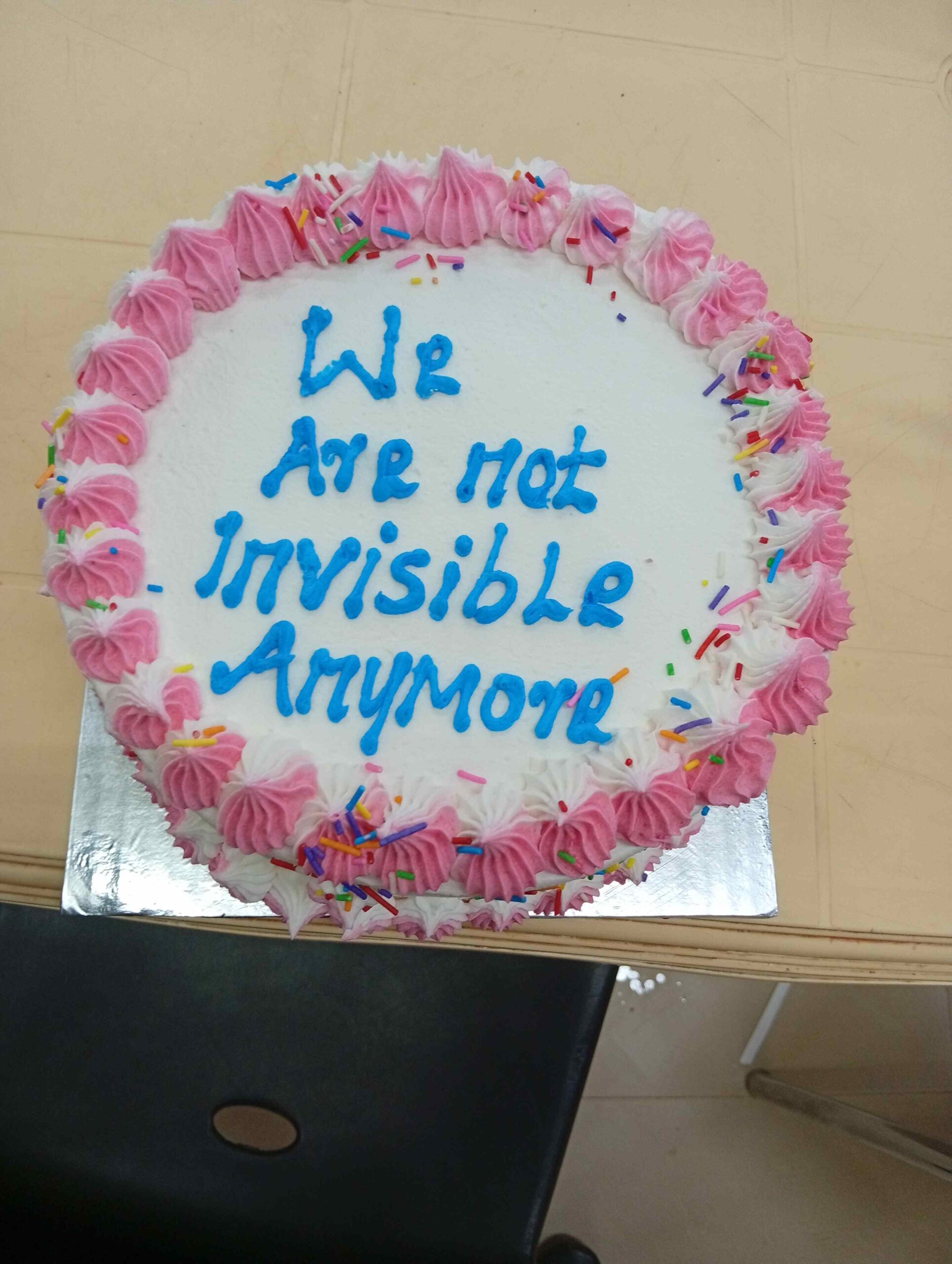
Baridi Kwa Baridi (BKB) marked a significant milestone in its efforts to end the exploitation of Child Domestic Workers (CDWs) on 14 October 2026, bringing together international development partners, government representatives, civil society organisations, community leaders and faith-based institutions for a day of learning, collaboration and celebration.
The three-in-one event combined a delegation visit from Freedom Fund Headquarters in London and their colleagues, a multi-stakeholder engagement, and the graduation of 42 young people who received start-up kits to support their transition towards self-reliance. The occasion also marked the conclusion of Phase I of the NIA project.
Understanding the Drivers of Child Domestic Work
BKB welcomed a delegation led by Ruth Kimani, Head of Africa, alongside Antonio, representing SLF and other colleagues from Freedom Fund Headquarters in London.
The visit provided an opportunity to examine the complex push and pull factors that contribute to children’s entry into domestic work. Discussions highlighted the importance of understanding the underlying social and economic conditions that expose children to exploitation, particularly gender inequality and women’s economic vulnerability.
Addressing these drivers requires interventions that go beyond responding to individual cases. It calls for sustained efforts to strengthen women’s economic resilience, address household-level vulnerabilities and create safer alternatives for children at risk.
Stakeholders Call for Proactive, Coordinated Action
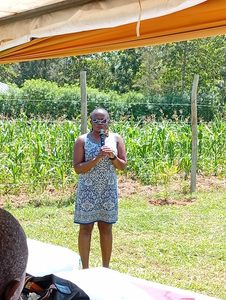
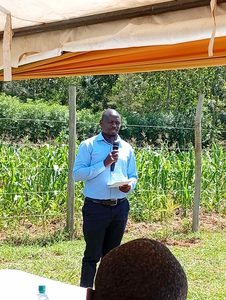
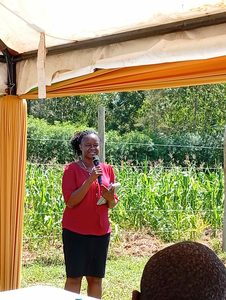
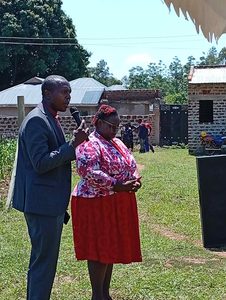
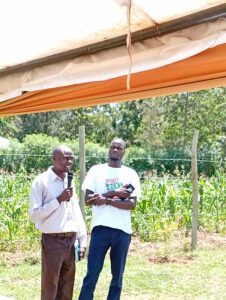
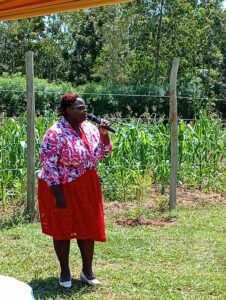
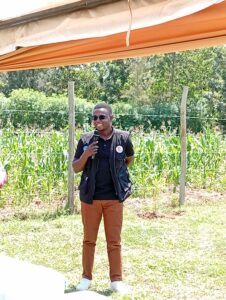
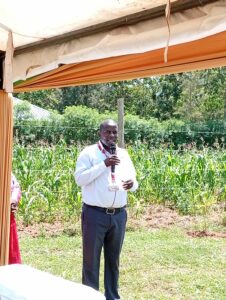
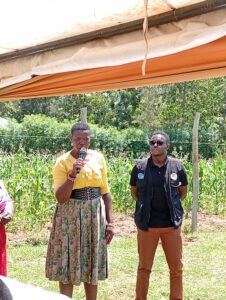
The event convened representatives from county and national government, civil society organisations, NIA partners, community leadership and faith-based institutions.
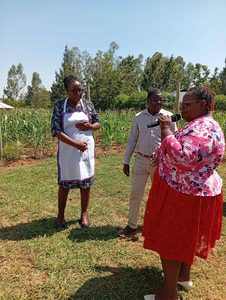
Participants included representatives of the Deputy County Commissioner’s office, Mr. Benard Makeni, Director of Gender; Laura Nyongesa, Deputy Director in the Department of Culture and Social Protection; local administrators, including the Assistant Chief of Esikulu Sublocation and the Chief of Matayos South Ward, Chief of Busia Municipality Oscar Khalende,; civil society representatives, including the Director of CEDC Francis Namuju and Sharon Ngaira of CCGD; NIA partners Childline Kenya and Dhamira Moja; and faith-based representatives Rev. Jimmy and Ali Nguu.
A central message emerged from the engagement: sustainable action against child domestic worker exploitation must address its root causes, rather than focus solely on responding after exploitation has occurred.
Stakeholders emphasised the importance of coordinated prevention, early identification, child protection and interventions that address the social and economic vulnerabilities that place children at risk.
The need for a safe house to accommodate vulnerable girls and boys affected by exploitation and related forms of abuse was also highlighted as an important protection priority.
The engagement reinforced the value of collaboration across government, civil society, communities and faith-based institutions in building a stronger, more responsive child protection system.
From Skills Development to Self-Reliance: Celebrating 42 Graduates
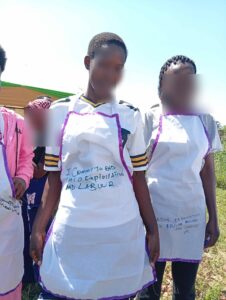
The day’s activities culminated in a site visit to Nasewa, where the delegation witnessed the apprenticeship-based vocational training model through which young people have been acquiring practical skills.
The visit offered an opportunity to see the learning environment, engage with the programme’s approach to skills development and appreciate the importance of linking vocational training to realistic livelihood opportunities.
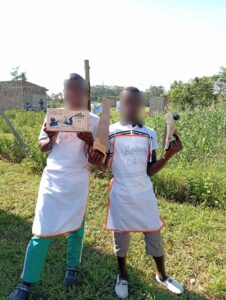
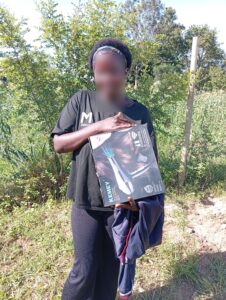
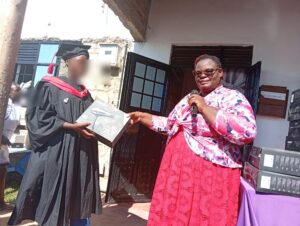
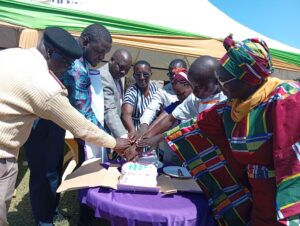
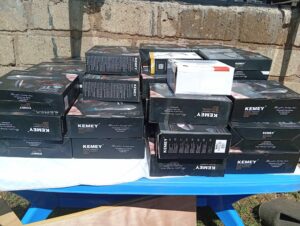
BKB proudly celebrated 42 graduates, comprising 40 girls and two boys, who received start-up kits to help them apply their newly acquired skills and begin their journeys towards self-reliance.
The kits are an important bridge between training and practice. By equipping graduates with tools to begin working, the programme seeks to strengthen their ability to pursue livelihood opportunities and reduce their vulnerability to exploitation.
The post-training journey remains essential. Continued mentorship, market linkages and opportunities to generate income will be important in helping graduates translate their skills into sustainable livelihoods.
Marking the End of Phase I and Looking Ahead
The graduation also marked the conclusion of Phase I of the NIA project, providing an opportunity to celebrate achievements, reflect on lessons and consider how interventions can be strengthened and sustained.
The day’s three milestones ,
international learning and exchange, multi-stakeholder engagement and the graduation of 42 young people demonstrated the interconnected nature of efforts to end child domestic worker exploitation.
Protecting children requires more than addressing exploitation in isolation. It requires tackling the structural inequalities that expose them to harm, strengthening household economic resilience, building effective referral and protection systems, and creating viable alternatives through skills development and livelihood opportunities.
As BKB reflects on the close of Phase I, the commitment remains clear: to work alongside partners and communities towards a future where children are protected from exploitation and have the opportunity to learn, grow and thrive.
Special Appreciation to Freedom Fund
We extend our sincere and heartfelt gratitude to Freedom Fund for the invaluable support, walking this journey with us, believing in this work and supporting pathways towards resilience, dignity and self reliance. The impact of this partnership lives on in the opportunities created, the skills gained and the futures of our beneficiaries .
We were especially delighted to welcome the delegation from Freedom Fund Headquarters in London and their colleagues whose visit provided an opportunity to reflect on our progress, exchange insights and renew our collective resolve to tackle the root causes of child domestic workers exploitation.
Comments are closed