
Baridi Kwa Baridi Women CBO joins education stakeholders in examining the status of education in Bukhayo West and identifying priorities for improved learning outcomes.
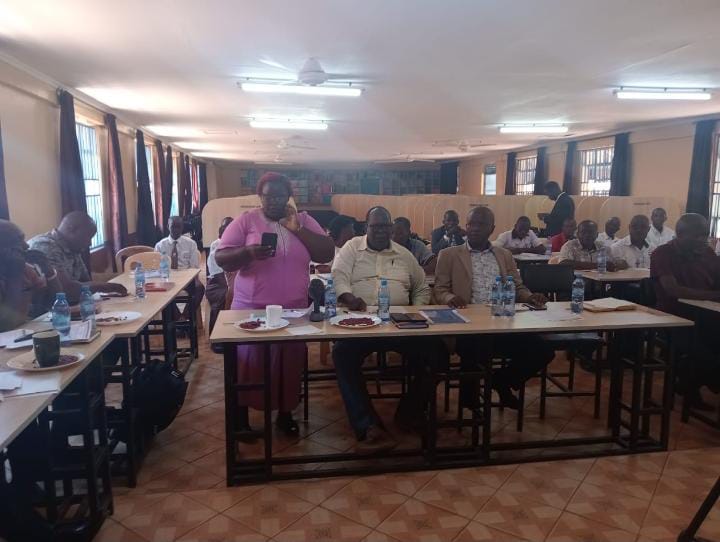
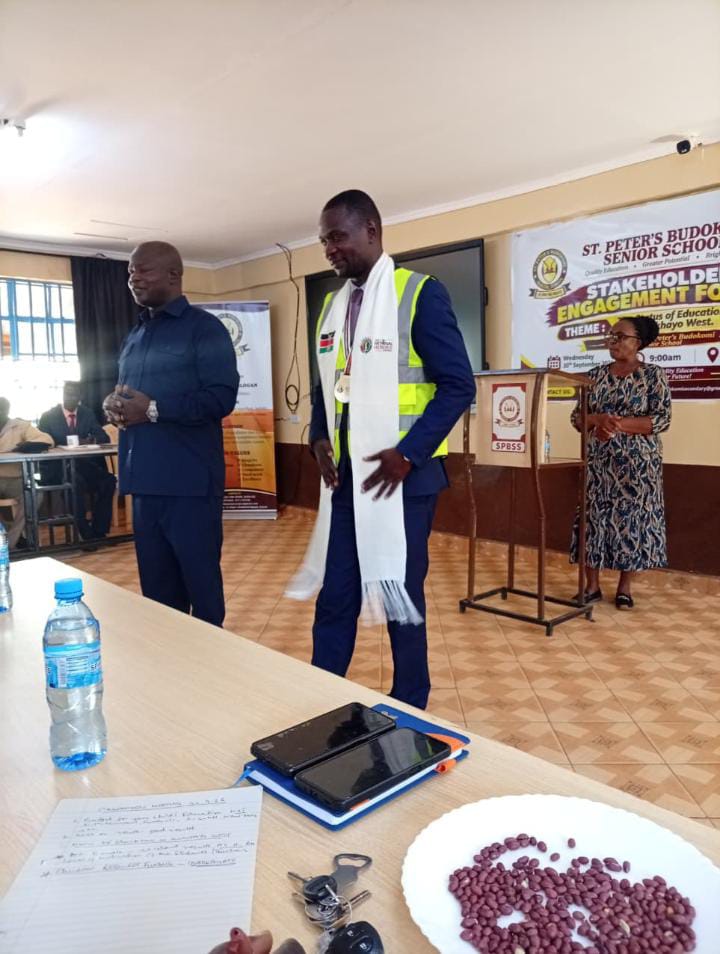
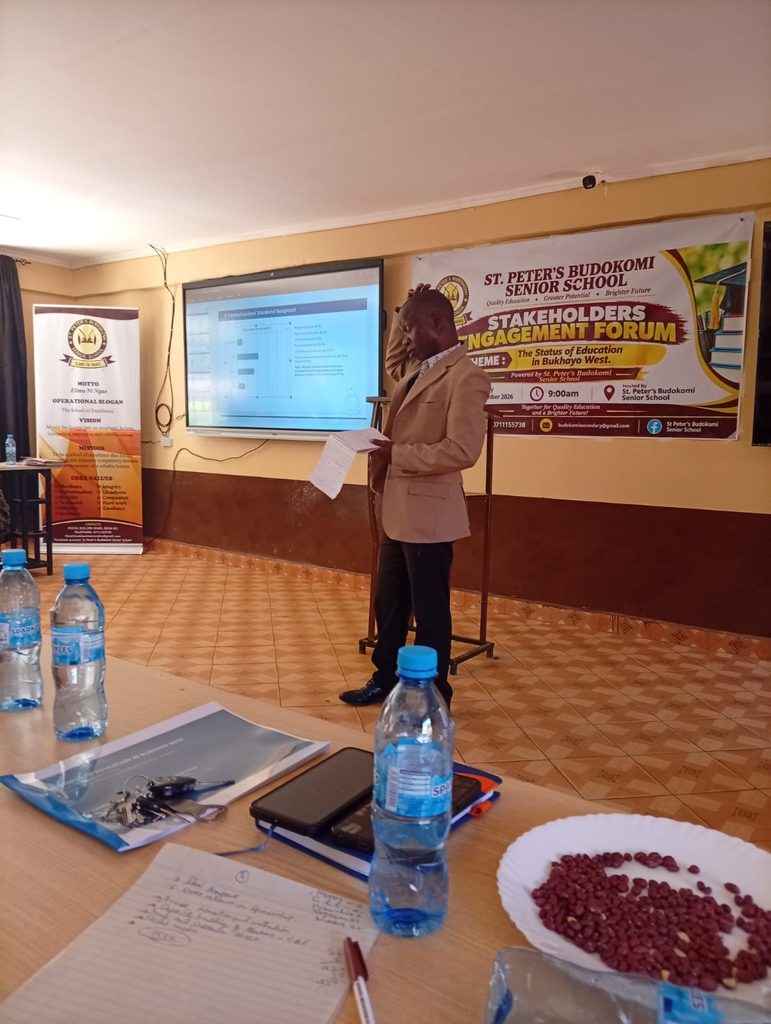
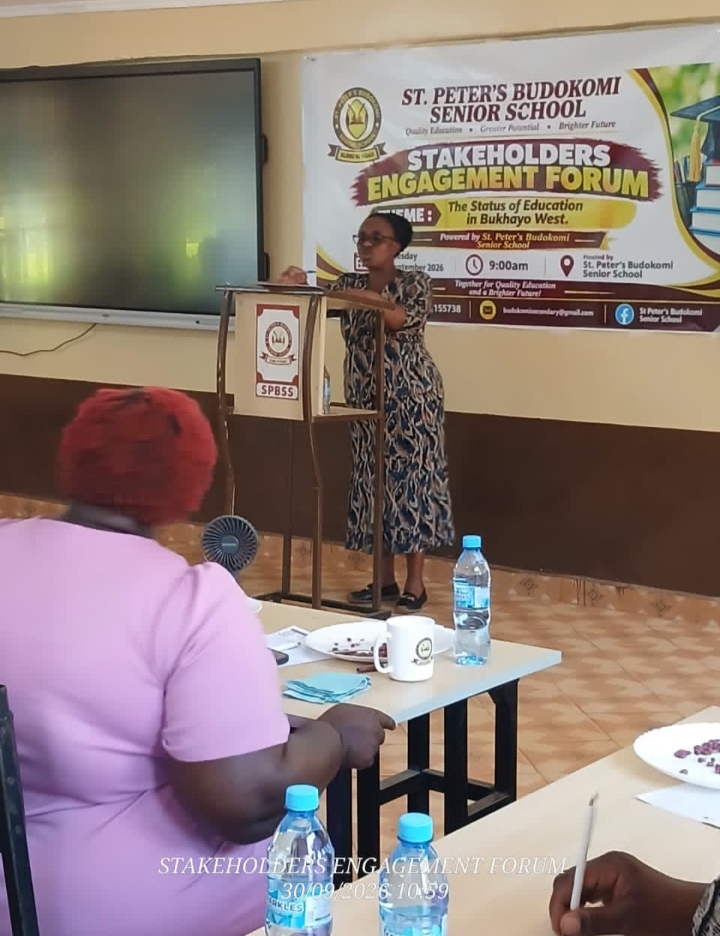
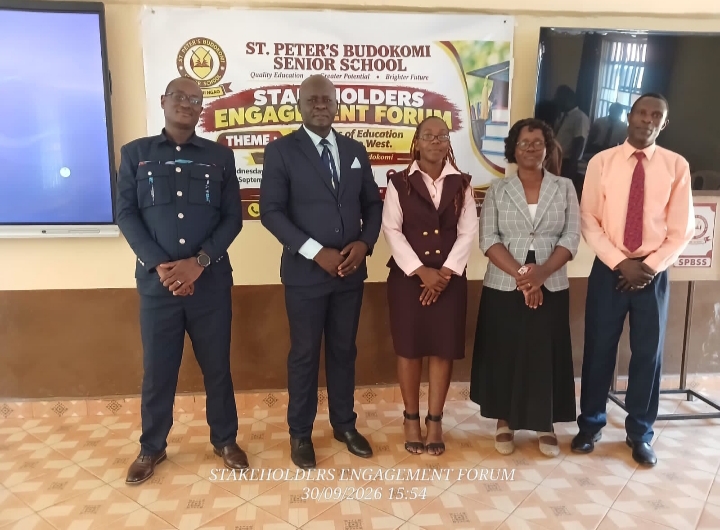
Baridi Kwa Baridi Women CBO, represented by its Executive Director, Ms. Maureene Ayodi, participated in a stakeholders’ meeting on the status of education in Bukhayo West Ward, held at St. Peter’s Budokomi Senior School on 30th September 2026.
Ms. Ayodi attended in her capacity as a civil society representative and Vice Chair of the School’s Board, bringing both a community development and school governance perspective to the deliberations.
The meeting brought together a diverse range of stakeholders, including school leaders, Ministry of Education representatives, parents, alumni, National Government Administration Officers (NGAOs), County Government representatives, Bukhayo West MCA Peter Taalam, Deputy County Commissioner Benson Mwangi, boda boda representatives and other community stakeholders.
The engagement provided a platform to examine the challenges affecting education across the ward, reflect on factors contributing to poor learning outcomes and identify practical, collaborative responses.
Key issues raised
Among the concerns highlighted were declining parental involvement in children’s education, the influence of disco matanga and social activities on learners’ school attendance and concentration, children starting school at an advanced age, poor academic performance and teenage pregnancies.
These concerns point to the need for stronger collaboration between schools, families and the wider community. Parents and guardians play a critical role in monitoring school attendance, providing guidance, supporting learning at home and ensuring that children remain focused on their education.
The discussions also highlighted the importance of addressing the social and economic factors that can undermine learners’ participation, safety and progression through the education system.
A multisectoral approach to improving education
Stakeholders emphasised the need for a multisectoral approach that brings together schools, parents, government departments, local administration, elected leaders, civil society, alumni, boda boda operators and other community actors.
Strengthening parental responsibility, promoting positive community attitudes towards education, identifying learners at risk of dropping out and addressing teenage pregnancy are among the areas requiring sustained collective action.
Education is not the responsibility of teachers and school administrators alone. Community leaders, parents and institutions must work together to create an environment in which children can attend school consistently, learn effectively and complete their education.
Showcasing progress at St. Peter’s Budokomi Senior School
Alongside the challenges discussed, the engagement provided an opportunity to recognise developments at St. Peter’s Budokomi Senior School.
The school has a state-of-the-art computer laboratory, an important investment in digital learning and the development of learners’ information and communication technology skills.
The school also offers the pathways under Kenya’s senior school education framework, providing learners with opportunities to pursue different areas of interest and ability.
Members of the public and other schools are encouraged to visit St. Peter’s Budokomi Senior School and benchmark its facilities and educational approaches, particularly its computer laboratory and implementation of the senior school pathways.
Moving forward together
The engagement reaffirmed the importance of sustained collaboration in addressing education challenges in Bukhayo West.
For Baridi Kwa Baridi Women CBO, education is closely linked to child protection, gender equality and community development. Addressing teenage pregnancy, strengthening parental engagement and protecting learners from harmful influences are essential to ensuring that children have the opportunity to complete their education and pursue their aspirations.
Improving education outcomes requires more than identifying the challenges. It requires shared responsibility, coordinated action and sustained commitment from every stakeholder.
Together, we can build a community that values education, supports its learners and gives every child a meaningful opportunity to succeed.

Comments are closed