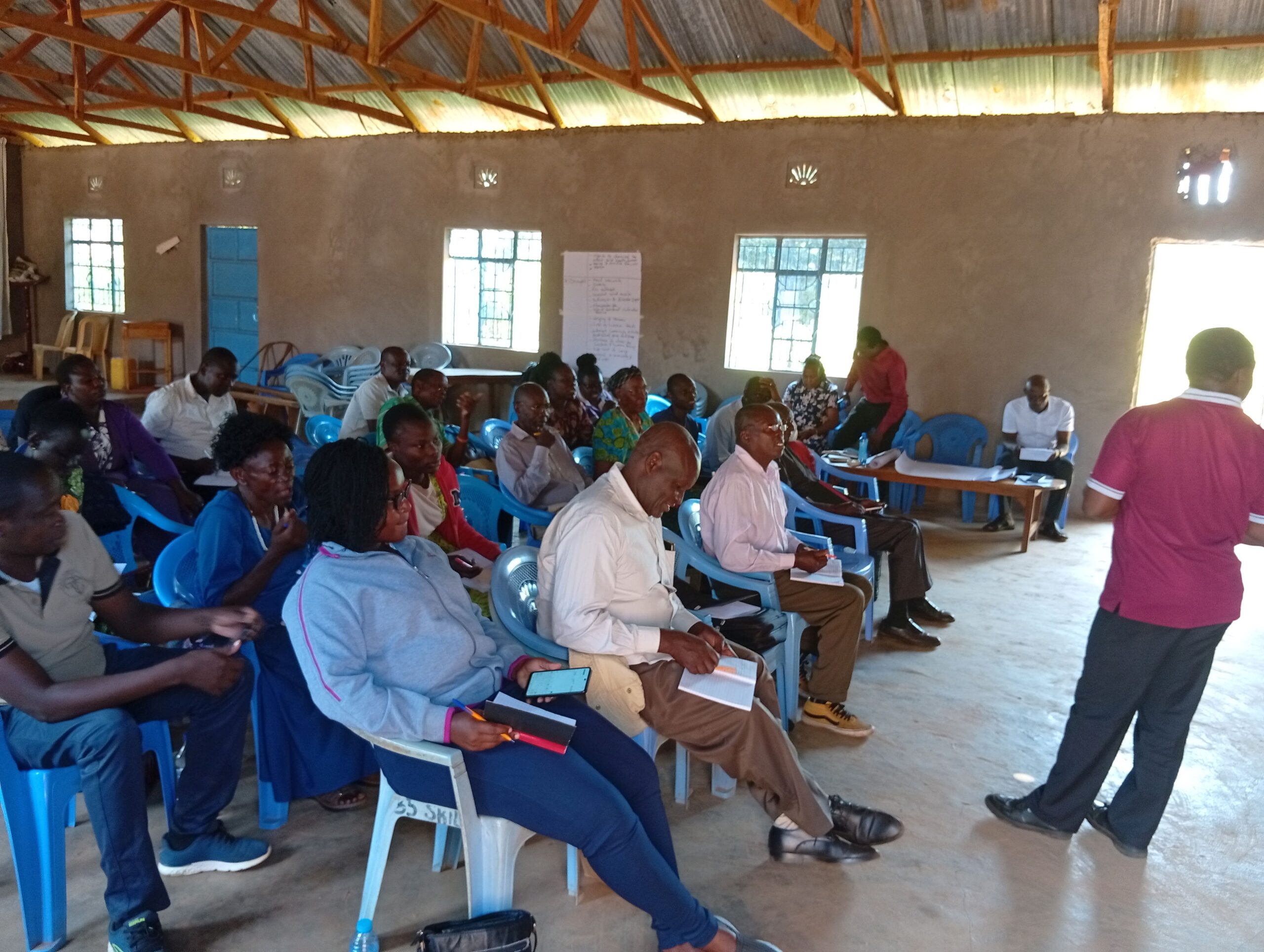
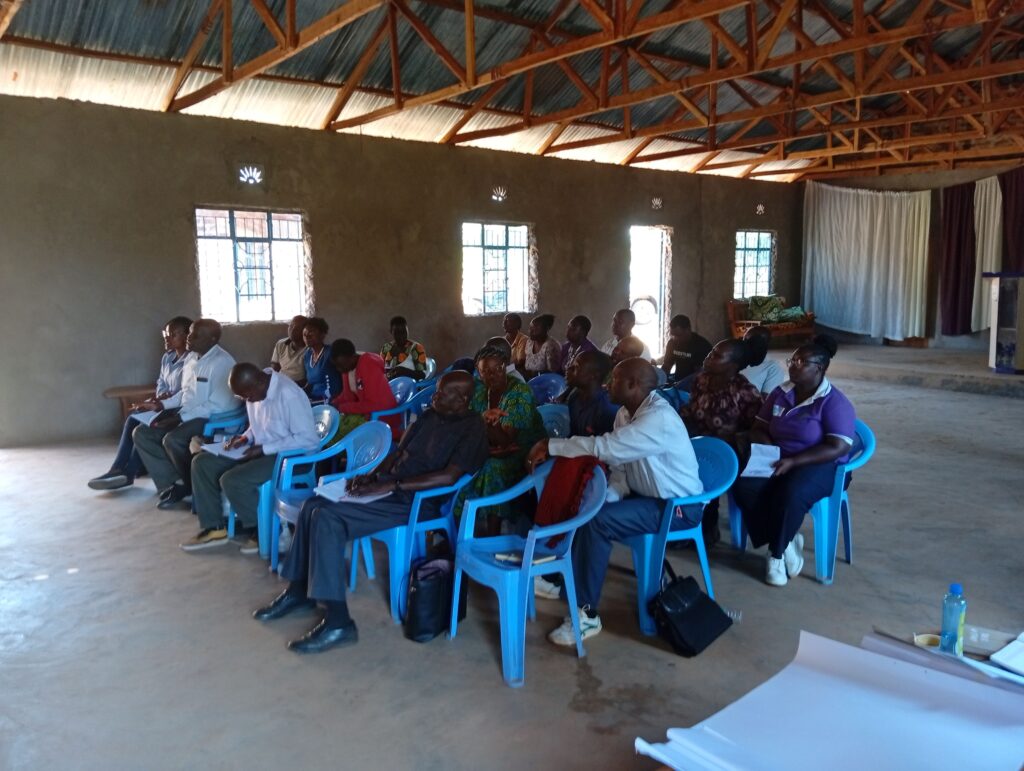
Baridi Kwa Baridi Women CBO participated in Day 2 of the Community Adaptation Action Plan (CAAP) development process for Bukhayo West Ward under the DaCCA Programme. The day’s sessions focused on strengthening participants’ understanding of key climate change concepts while identifying the specific hazards and risks affecting the ward.
Participants explored commonly used climate change terminology, including hazards, risks, vulnerability, resilience, adaptation and mitigation, creating a shared understanding that will guide the development of an effective and locally relevant Community Adaptation Action Plan.
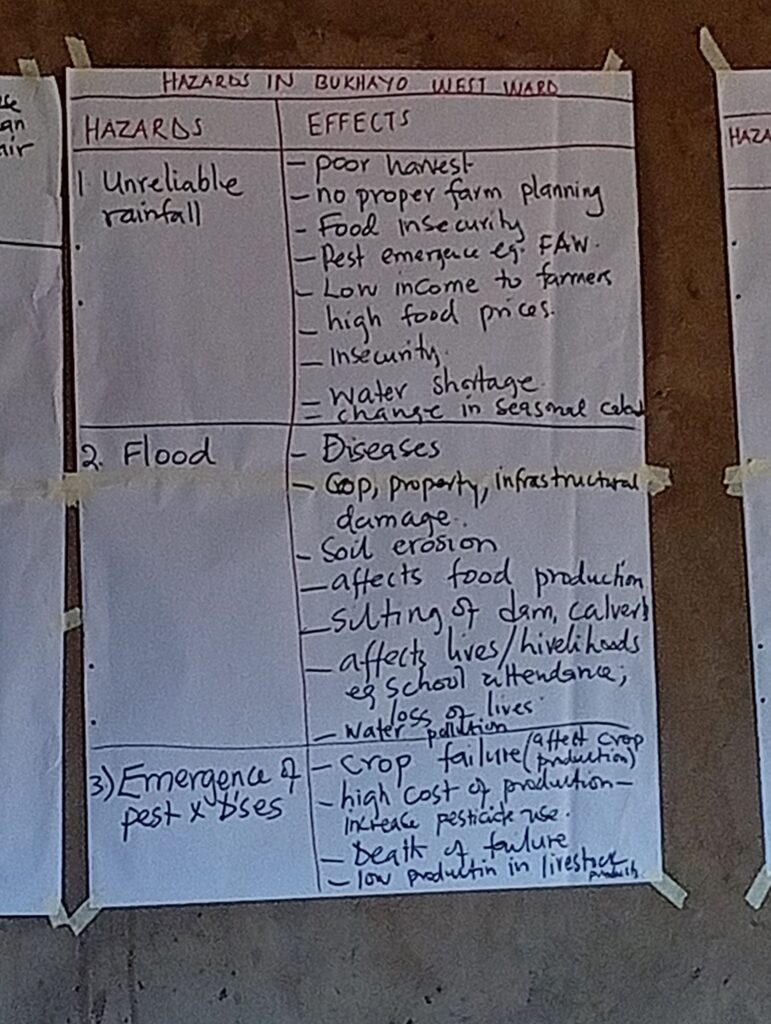
The discussions also examined the major climate hazards experienced in Bukhayo West Ward, including unreliable rainfall, prolonged dry spells, flooding, crop pests and diseases, declining agricultural productivity and increasing pressure on water resources. Participants reflected on how these hazards continue to affect food security, household incomes, health, education and overall community well-being.
One of the key discussions during the session highlighted that women and children remain among the groups most vulnerable to the impacts of climate change the recognition that women and children bear the greatest burden of climate change impacts. Water scarcity was identified as one of the most pressing challenges, with women and girls often travelling long distances to fetch water while balancing household responsibilities, reducing the time available for education, income-generating activities and community participation.
For Baridi Kwa Baridi Women CBO, this reaffirmed the importance of our long-standing commitment to gender-responsive climate action. Recognizing that women often bear the greatest burden of water shortages, we have intentionally implemented programmes that strengthen their resilience. Through our Women, Water and Leadership initiative, we have distributed water storage tanks, promoted tissue culture banana farming and kitchen gardens and empowered women to adopt sustainable agricultural practices that improve household food security and livelihoods.
The organization also continues to champion policy advocacy and community engagement to ensure that local adaptation efforts address the needs of the most vulnerable groups and strengthen resilience against the growing impacts of climate change.
As the CAAP development process continues, Baridi Kwa Baridi Women CBO remains committed to working alongside community members, government institutions and development partners to promote locally led adaptation solutions that create a more resilient and sustainable Bukhayo West Ward.
Comments are closed