DAY 7 OF THE 16 DAYS OF ACTIVISM AGAINST GENDER-BASED VIOLENCE
Theme: Overcoming disruption,transforming the AIDS response

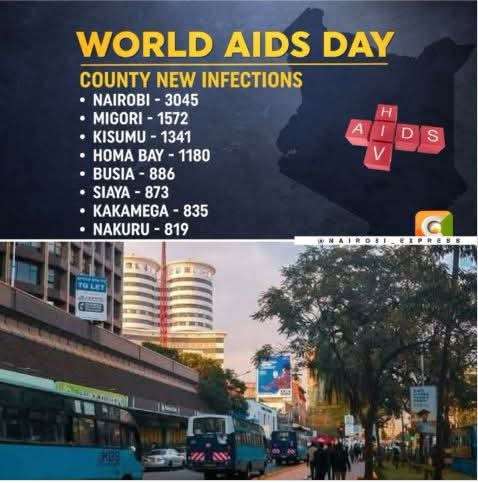
As we mark Day 7 of the 16 Days of Activism, we also join the global community in commemorating World AIDS Day, a moment to reflect on the progress made, the challenges that remain and the work ahead of us especially here in Busia County, where HIV continues to pose a significant public health concern
HIV/AIDS Situation in Busia: A Closer Look
Busia remains one of the counties with a higher HIV prevalence compared to the national average. Current estimates place Busia at approximately 5.31% prevalence, with over 40,000 people living with HIV. This burden is influenced by a combination of social, economic and cultural factors that increase vulnerability within households and communities.
Particularly concerning is the rise in new infections among adolescents and young people aged 10–19, who account for a notable portion of recent cases. Inconsistent access to SRHR information, poverty, exploitation and early sexual debut contribute to this trend.
Mother-to-child transmission (MTCT) also remains a challenge, with recent reports indicating an MTCT rate of around 11% among mothers living with HIV. While interventions have helped reduce this number, more effort is needed to achieve the national target of below 5%.
Links Between HIV and Gender-Based Violence
HIV and GBV are interconnected in multiple ways:
– Survivors of sexual violence face increased risk of HIV infection.
– Women and girls experiencing economic violence or exploitation may engage in unsafe relationships for survival.
– Stigma and fear prevent survivors from accessing healthcare and justice systems.
– Digital violence and online exploitation expose adolescents to sexual coercion and manipulation.
These intersections mean that combating HIV requires addressing the root causes of GBV, while GBV prevention must include access to accurate SRHR information and safe medical services.
Why Busia’s Numbers Remain High
Several structural and community-level factors contribute to Busia’s HIV burden:
1. Cross-border mobility – Frequent movement between Kenya and Uganda increases risk exposure, especially among truck drivers, traders and young women.
2. Economic vulnerability – High poverty levels push adolescents into transactional relationships.
3. Low uptake of preventive services – PrEP, PEP, and condom use remain low among youth.
4. Stigma and misinformation – Many avoid testing or treatment due to fear of discrimination.
5. Gaps in youth-friendly services – Young people lack accessible, confidential spaces for SRHR support.
The Impact on the community
The effects are wide-ranging:
– Increased orphanhood and strain on extended families
– Higher school dropout rates among girls due to teenage pregnancy and early marriage
– Reduced productivity among adults living with untreated HIV
– Emotional and psychological trauma
– Increased vulnerability of children to exploitation, labour, and violence
Moving Forward
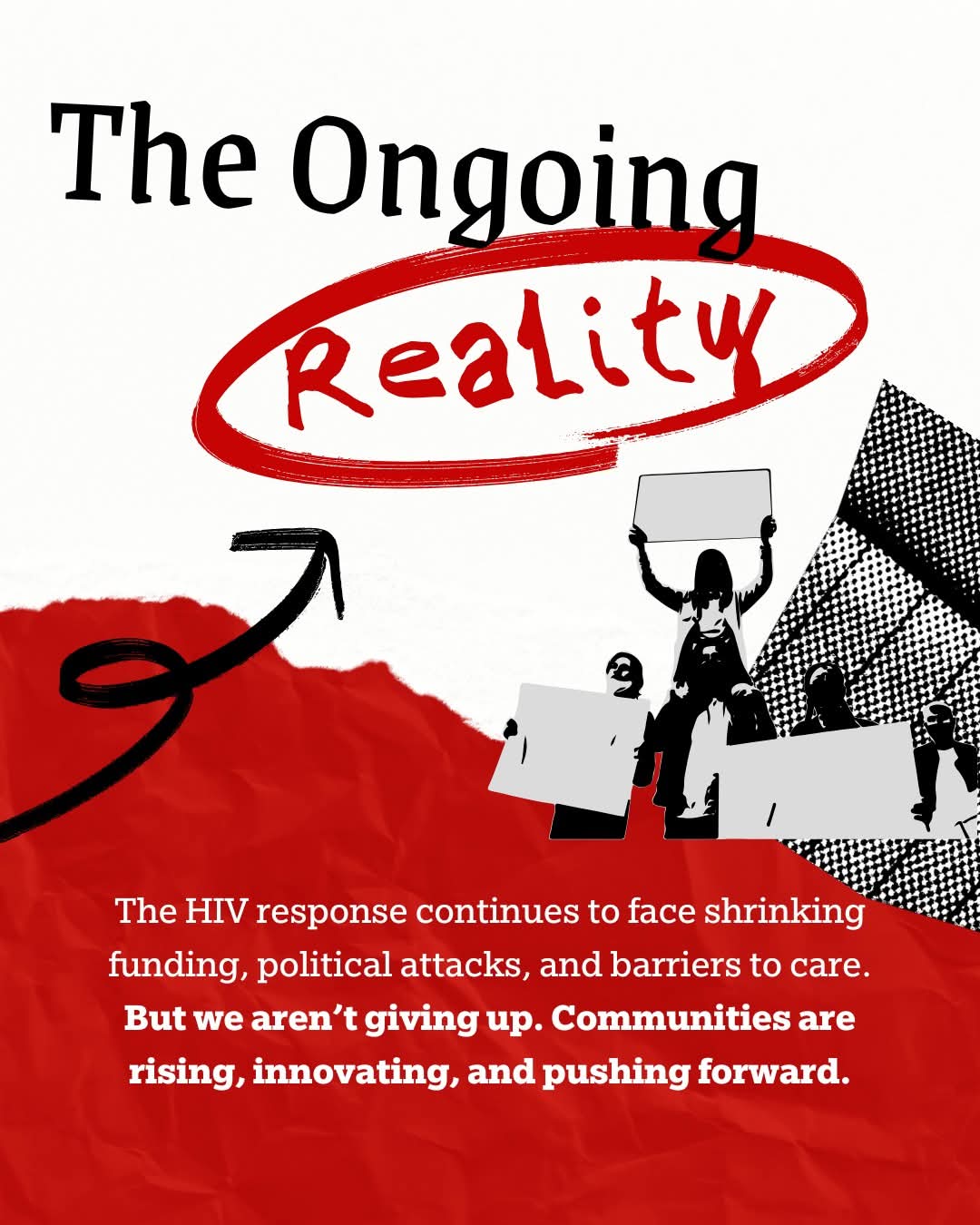
At the intersection of HIV prevention and GBV response lies a powerful opportunity:
To protect young lives.
To uphold dignity.
To strengthen families.
To build a community where no child, woman, or man is left behind.
As we continue with the 16 Days of Activism, we reaffirm our commitment to ending violence, promoting health, and supporting every person affected by HIV/AIDS in Busia County.
Together we can end AIDS and GBV
Comments are closed