
Baridi Kwa Baridi Women CBO joins county and civil society stakeholders to advance gender-responsive, safe and inclusive anticipatory action in the Nzoia Basin.
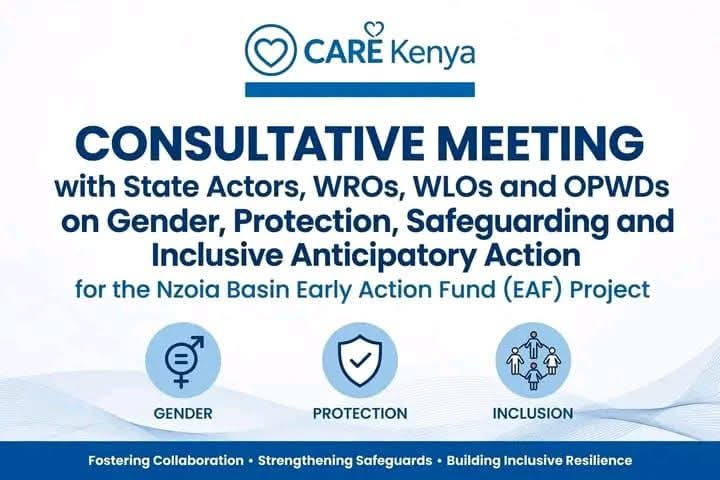
Date: 26–27 October 2026
Programme: Nzoia Basin Early Action Fund (EAF) Project
Conveners: Busia County Government, through the Directorate of Disaster Risk Management, in partnership with CARE Kenya.
Building a more inclusive approach to disaster preparedness
Flooding presents significant risks to communities across the Nzoia Basin. Beyond damage to homes, livelihoods and infrastructure, emergencies can intensify existing inequalities and expose women, girls, children and persons with disabilities to heightened protection risks.
Recognising the importance of addressing these challenges before disasters escalate, Baridi Kwa Baridi Women CBO participated in a two-day consultative meeting on gender-responsive, safe and inclusive anticipatory action, held on 26–27 October 2026.
The engagement was convened by the Busia County Government through the Directorate of Disaster Risk Management, in partnership with CARE Kenya under the Nzoia Basin Early Action Fund (EAF) Project. Baridi Kwa Baridi was represented at the meeting on behalf of its Executive Director.
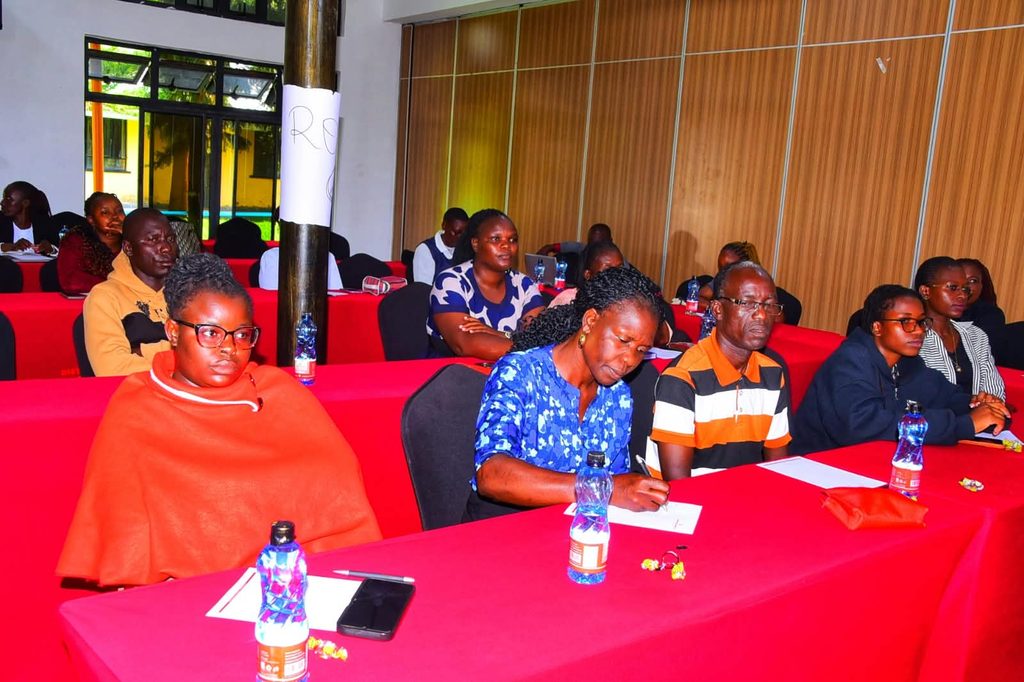
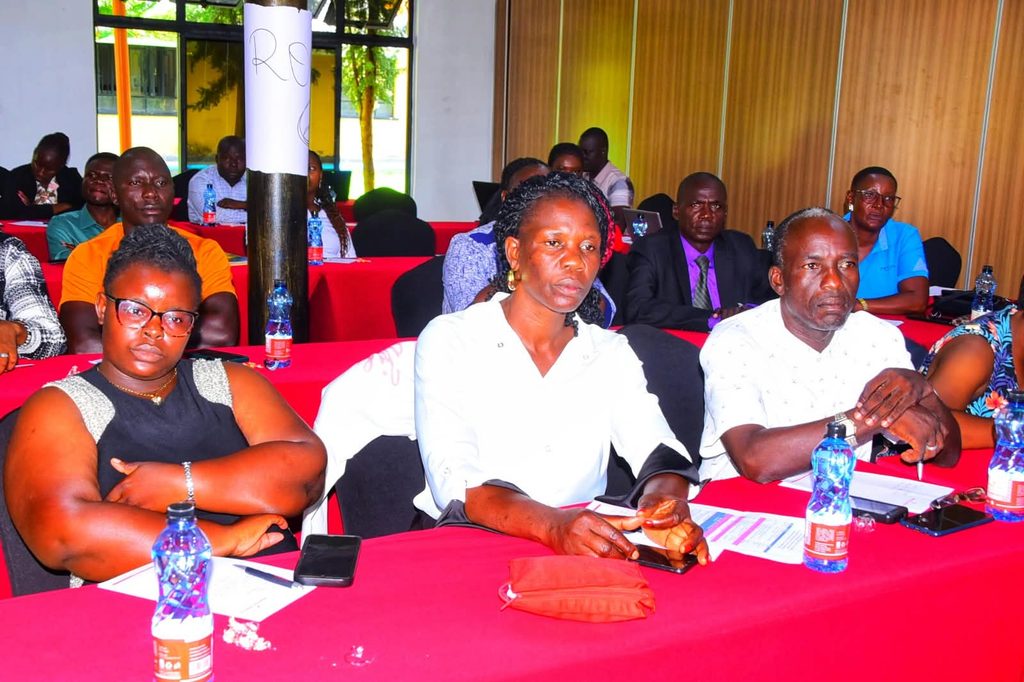
The consultation brought together state and non-state actors, Women’s Rights Organisations (WROs), Women-Led Organisations (WLOs) and Organisations of Persons with Disabilities (OPWDs) to strengthen collaboration and identify practical approaches to inclusive flood preparedness.
The discussions emphasised the importance of ensuring that anticipatory action addresses not only the physical impacts of flooding but also the gender, safeguarding, accessibility and child protection concerns that can emerge before, during and after emergencies.
Day One: Understanding risks and strengthening women’s leadership
The first day focused on the Nzoia Basin Anticipatory Action Framework, the gendered and protection impacts of flooding, and the importance of women’s voices, leadership and participation in decision-making.
Participants examined risks, barriers and community priorities that should inform flood preparedness and early action.
Women and girls may face particular challenges during emergencies, including increased caregiving responsibilities, disruption of livelihoods, limited access to essential services and heightened exposure to violence and exploitation. Children may experience family separation, interrupted education, psychological distress and increased vulnerability to abuse.
Persons with disabilities may encounter additional barriers when receiving warnings, accessing evacuation routes, reaching temporary shelters or obtaining humanitarian assistance.
These realities underscore the need for disaster preparedness measures that reflect the different needs, capacities and experiences of affected communities.
Meaningful participation by women-led organisations, organisations of persons with disabilities and community-based organisations is therefore essential to ensuring that preparedness plans are informed by lived experiences and local priorities.
Day Two: Strengthening safeguarding, accessibility and accountability
The second day focused on making anticipatory action safe, accessible, inclusive and accountable.
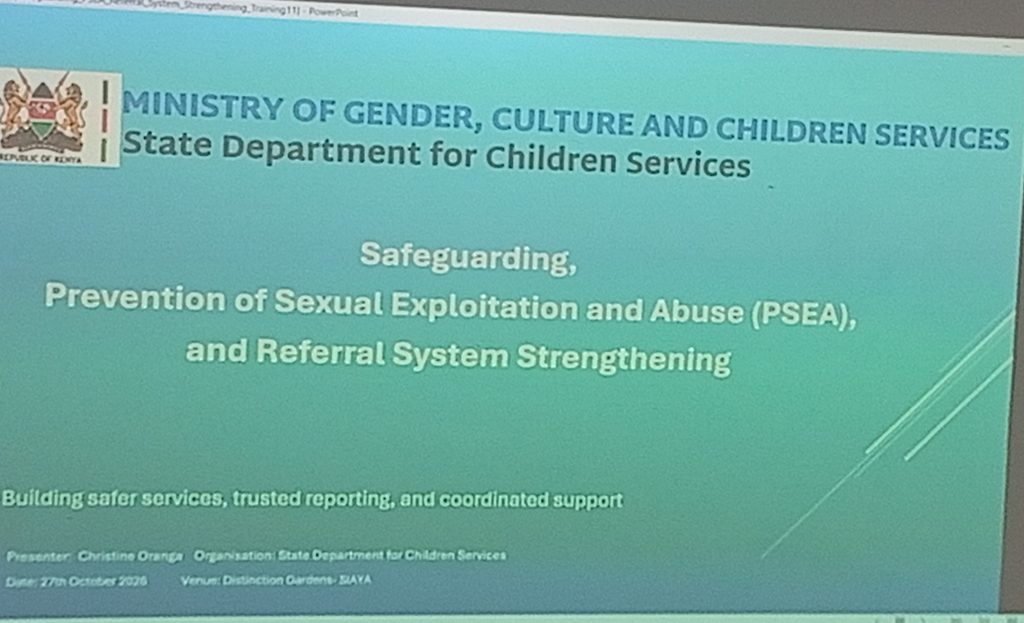
Key areas included the validation of gender, safety and accessibility audit tools; strengthening safeguarding and protection from sexual exploitation and abuse (PSEA); improving referral systems; promoting accessible early warning systems; identifying community focal points; and developing joint action plans for readiness, accountability and leadership.
These discussions highlighted the importance of establishing clear procedures for identifying protection concerns, reporting incidents, referring survivors and coordinating support across relevant service providers.
Child protection during emergencies requires particular attention. Evacuation centres and temporary shelters must be organised to protect children from abuse, exploitation, neglect and other safeguarding risks.
Preparedness measures should include safe and confidential reporting channels, clearly identified child protection focal points, accessible referral pathways and coordination among child protection officers, social workers, health providers, police and relevant civil society organisations.
Reporting mechanisms must also account for the realities of displacement. Children and survivors may be reluctant to report abuse when they are sharing temporary accommodation with the alleged perpetrator or depend on the same individuals for shelter and essential needs. Protection responses must therefore prioritise safety, confidentiality, appropriate referrals and the best interests of the child.
Equally important is ensuring that persons with disabilities, older persons and other groups facing access barriers can receive early warnings in formats they understand and can act upon.
Connecting anticipatory action with child protection systems
For Baridi Kwa Baridi, the engagement reinforced the importance of connecting disaster risk management with existing child protection and gender-responsive development structures in Busia County.
As the county advances the implementation of its Child Protection Policy, there is an opportunity to integrate emergency preparedness, early warning, safeguarding and referral mechanisms into the implementation matrix.
This would help strengthen the link between disaster preparedness and the systems responsible for protecting children and other at-risk groups.
Practical priorities include:
1. Integrating emergency preparedness into child protection planning
Child protection implementation frameworks should identify foreseeable risks during floods and other emergencies, establish preparedness actions and clarify the responsibilities of relevant departments and service providers.
2. Strengthening early warning and community reporting
Accessible early warning systems should be linked to clear communication channels and community focal points. Community members must know where to report emerging risks, how to access assistance and which services are available.
Existing child protection reporting and referral mechanisms, including relevant helplines and community structures, can contribute to early identification and response when appropriately integrated into local preparedness plans.
3. Protecting children in evacuation centres and temporary shelters
Preparedness plans should provide for child-friendly and safe spaces, family tracing and reunification where necessary, confidential reporting, trained personnel and accessible referral services. Protection concerns should be addressed promptly, with the child’s safety and best interests guiding decisions.
4. Strengthening coordination and case conferencing
Effective emergency responses require collaboration between disaster management teams, child protection officers, health and psychosocial support providers, security agencies, civil society organisations and community structures.
Case conferencing can help relevant professionals coordinate complex protection cases, agree on appropriate interventions and follow up on referrals while maintaining confidentiality and safeguarding the child’s best interests.
5. Promoting accessible and inclusive assistance
Emergency communication and assistance should reach people regardless of disability, gender, age, literacy level or access to digital technology. Preparedness planning should also consider the documentation and accessibility barriers that may prevent displaced households from accessing relief and essential services.
6. Clarifying institutional responsibilities and resources
Effective anticipatory action requires clear roles, coordination arrangements and timely access to resources. Linking preparedness measures to county planning, implementation frameworks and relevant emergency financing mechanisms can help ensure that agreed actions are feasible and implemented when needed.
These priorities provide practical entry points for strengthening the relationship between disaster risk reduction, gender-responsive action and child protection in flood-prone communities.
From consultation to coordinated action
The meeting underscored the importance of moving beyond the availability of early warnings to ensuring that communities can act on them safely and effectively.
For anticipatory action to achieve its intended purpose, early warnings must be timely and accessible, evacuation arrangements must account for the needs of at-risk groups, and protection services must be prepared to respond to emerging risks.
This requires sustained collaboration between county government departments, humanitarian and development partners, women-led organisations, organisations of persons with disabilities and community-based organisations.
It also requires accountability mechanisms that allow communities to communicate their needs, raise concerns safely and participate meaningfully in decisions that affect their lives.
For Busia County, integrating these considerations into disaster risk management and child protection implementation frameworks presents an important opportunity to strengthen community resilience while reducing preventable harm.
Our commitment
Baridi Kwa Baridi Women CBO recognises that inclusive disaster preparedness is both a development priority and a protection responsibility.
We remain committed to supporting collaborative approaches that strengthen the safety, participation and resilience of women, children and other at-risk groups, while promoting stronger links between community structures and formal protection systems.
We appreciate the Busia County Government, CARE Kenya and all participating stakeholders for convening this important engagement and providing a platform for shared learning, dialogue and coordinated planning.
Our message is simple: anticipatory action must be timely, inclusive and protective. No one should be left behind when floods come.
Comments are closed