Busia, Kenya | 17 November 2026 | Farmview Hotel
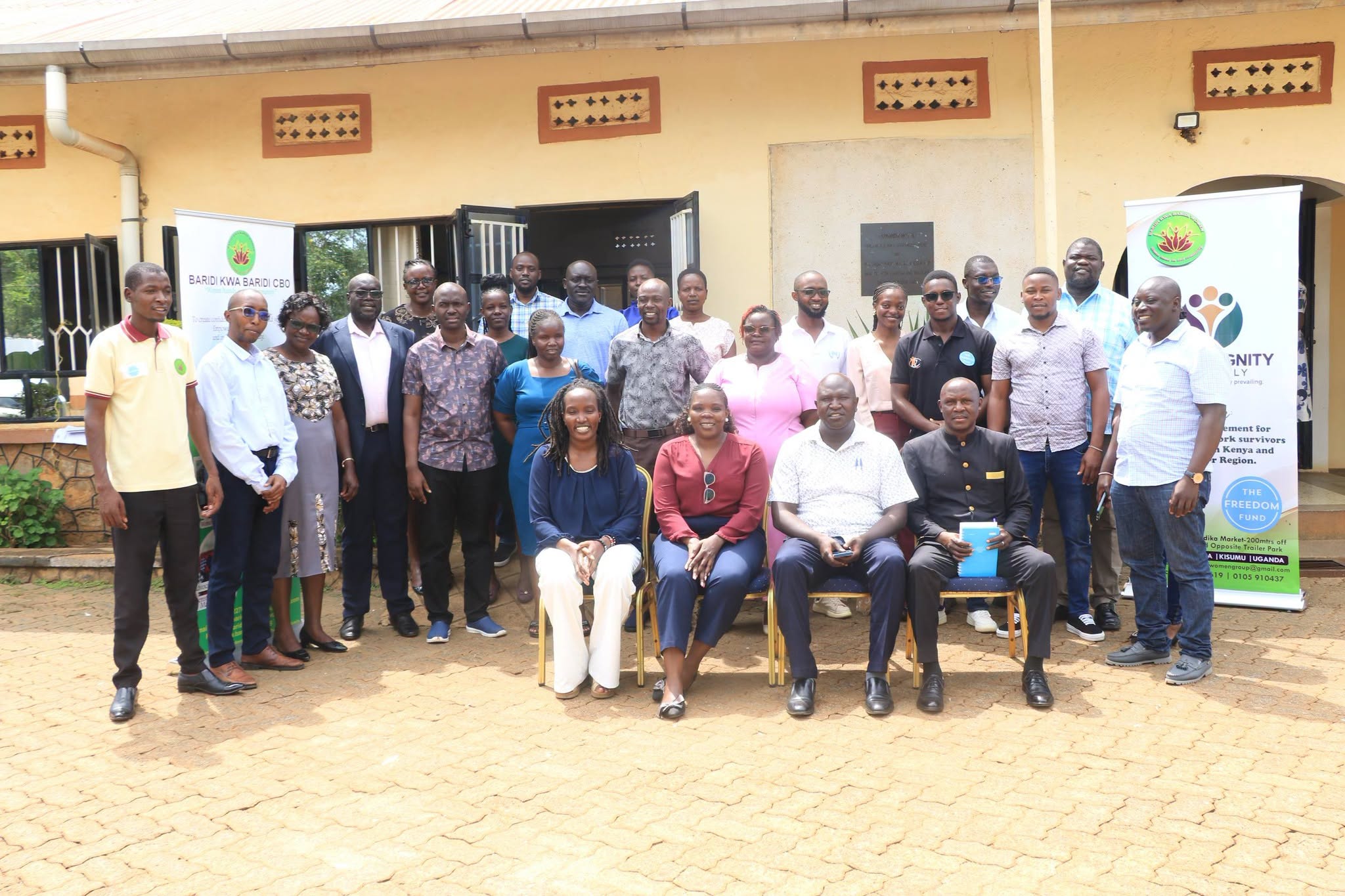
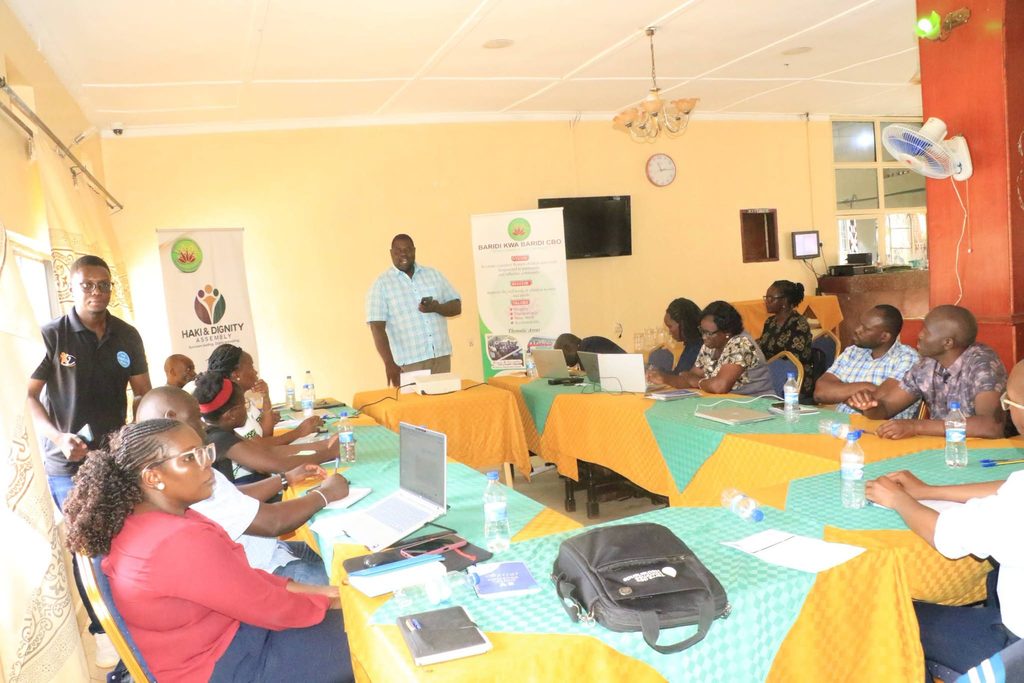
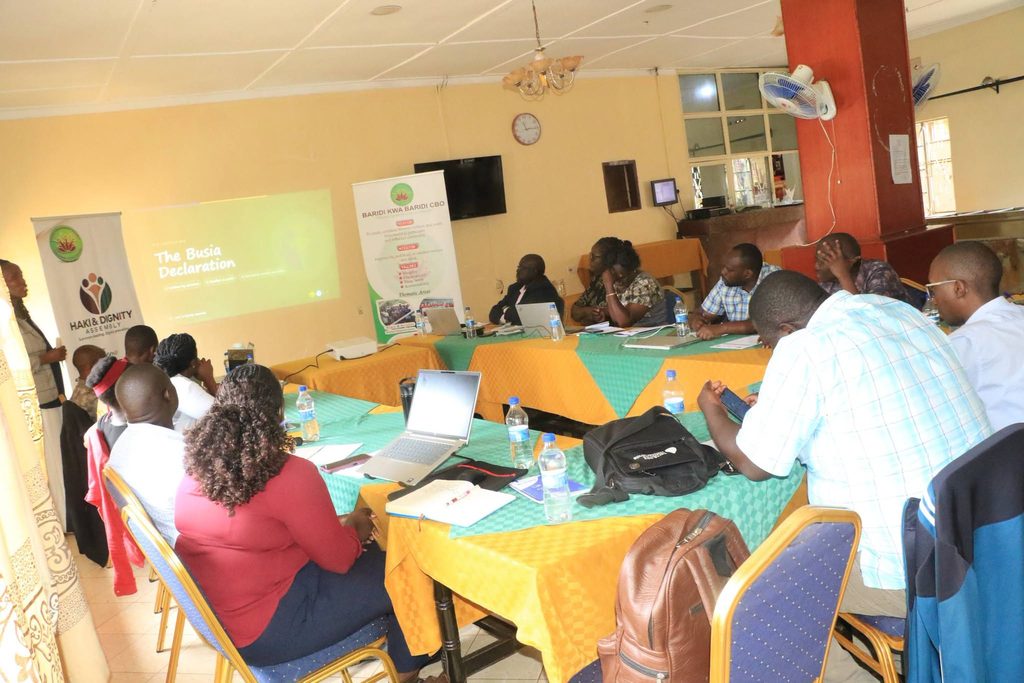
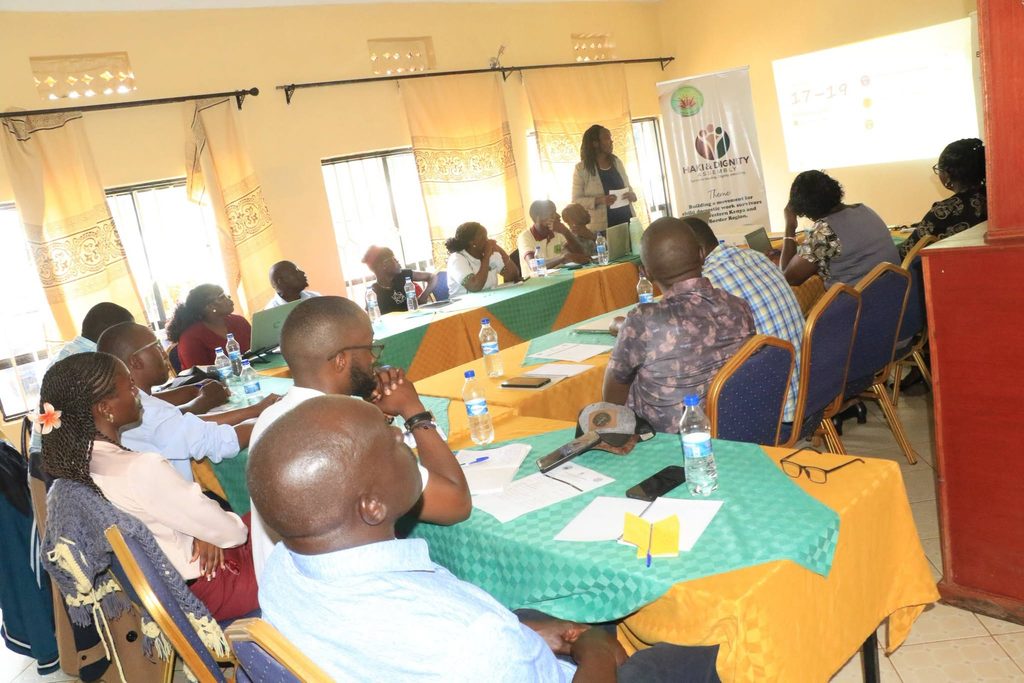
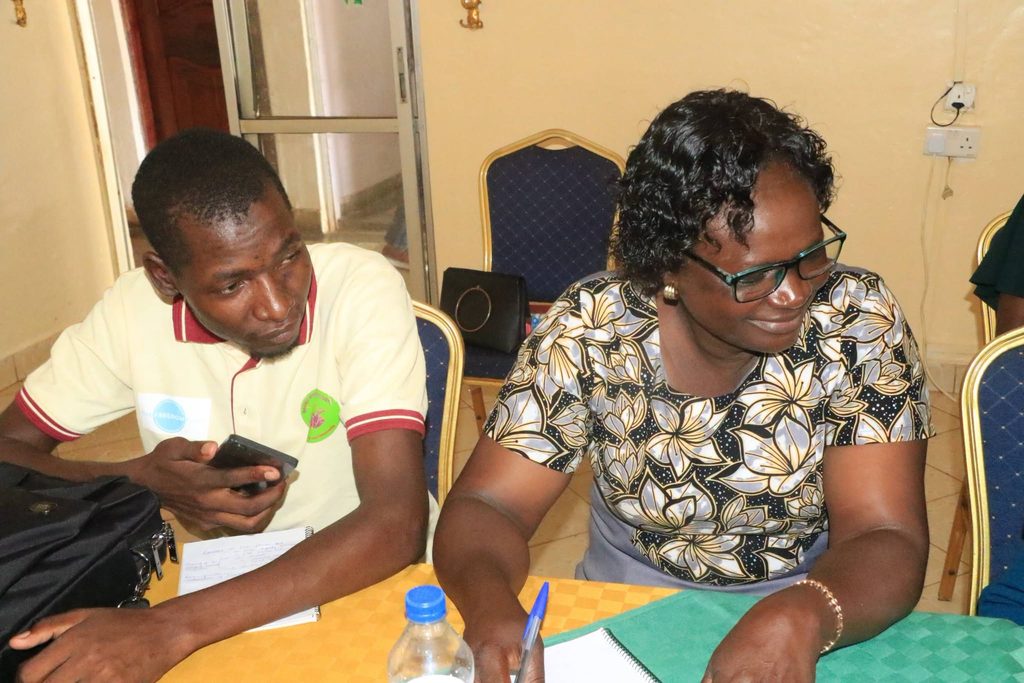
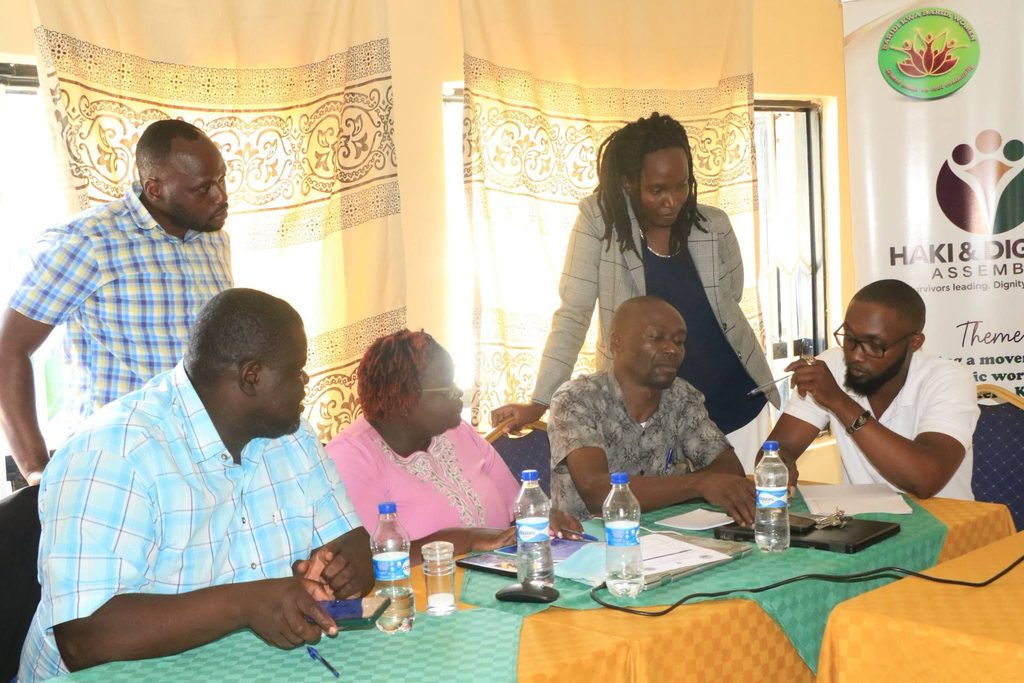
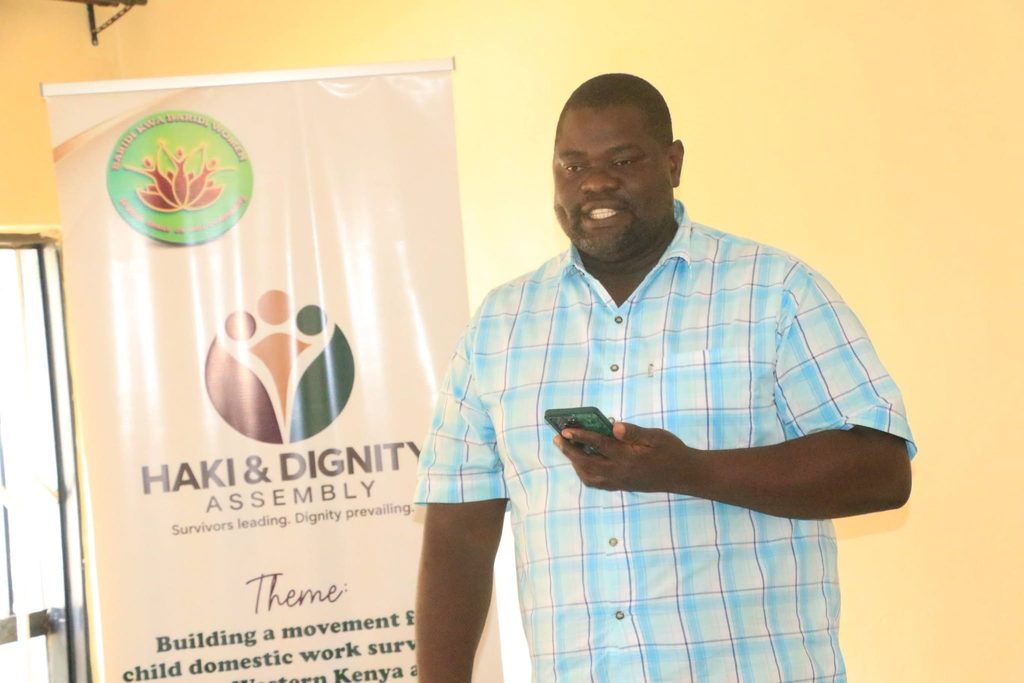
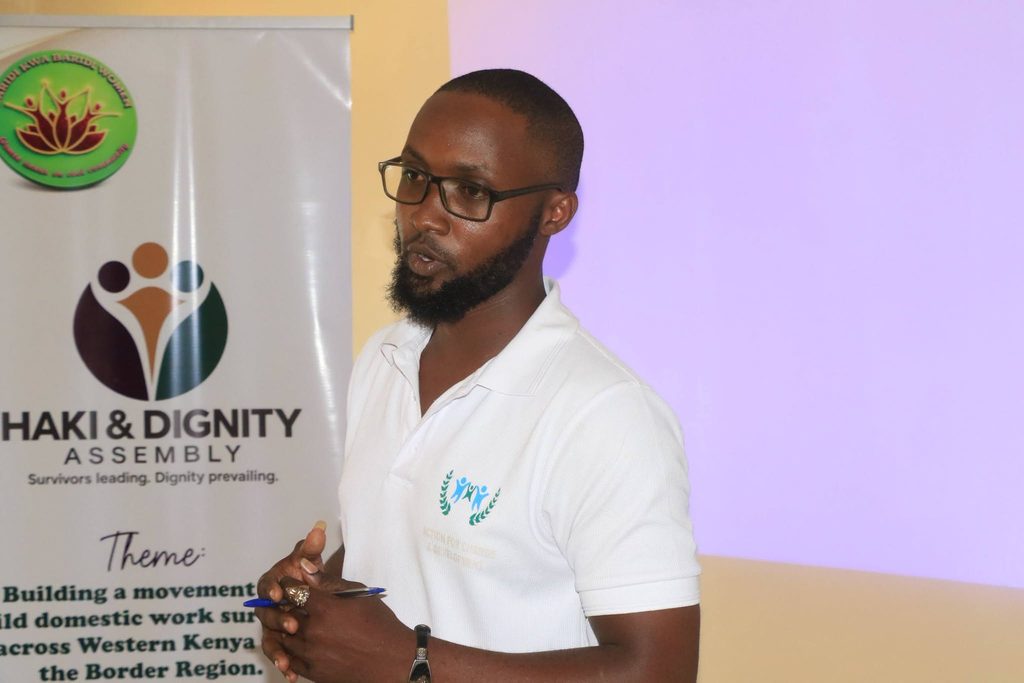
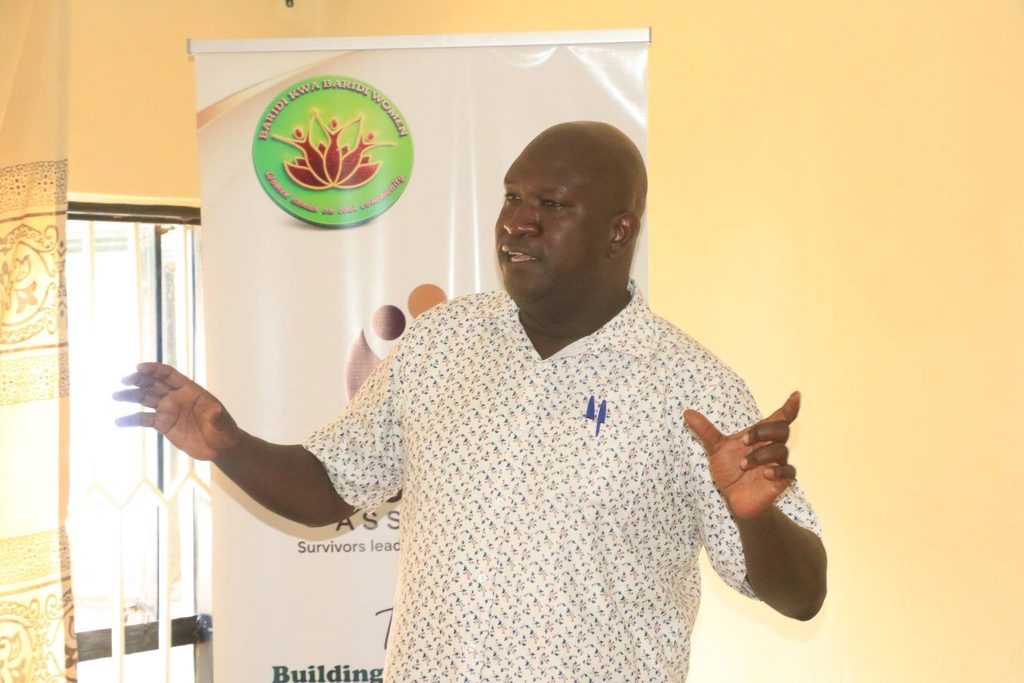
Baridi Kwa Baridi Women CBO convened a stakeholder inception meeting at Farmview Hotel, Busia, on 17 November 2026, bringing together government departments, civil society organisations, community-based organisations, development partners, survivors and other relevant actors to launch and discuss the implementation of its programme: Haki & Dignity Assembly .Supported by The Freedom Fund and implemented by Baridi Kwa Baridi Women CBO, the Haki & Dignity initiative will run from November 2026 to May 2027. It seeks to amplify survivors’ voices, strengthen safeguarding frameworks, improve referral pathways and establish county-level Survivor Councils in Busia, Kakamega and Kisumu.
The meeting provided an opportunity for the organisation to introduce its programme priorities, establish a shared understanding of the interventions and engage stakeholders on how their respective mandates, experience and institutional capacities could contribute to implementation.
Discussions focused particularly on evidence collection from survivors, participant selection, stakeholder representation, geographical coverage and collaboration among institutions working on social protection and related concerns.
Building an evidence base grounded in survivors’ experiences
A central discussion was how to collect credible and meaningful evidence while ensuring that survivors’ experiences are documented ethically and respectfully.
Participants explored several complementary approaches, recognising that no single method would adequately capture the different experiences, circumstances and community perspectives surrounding the issues addressed by the programmes.
Ethical storytelling and survivor story circles were discussed as important ways of allowing survivors to share their experiences in their own words. Story circles, in particular, were identified as a potential platform for listening, shared learning and understanding common challenges and gaps in existing support systems. Participants emphasised the need for voluntary participation and respect for survivors’ privacy, confidentiality and dignity.
Focus Group Discussions (FGDs) were also proposed to gather perspectives from community members, parents, caregivers and employers. These discussions would help examine community attitudes, cultural beliefs, social norms and perceptions that influence experiences and responses to protection concerns.
The meeting further highlighted the importance of engaging local administration and community leaders, whose knowledge of community structures and local challenges can help identify existing information, relevant actors and opportunities for collaboration.
Another proposed approach was the review of existing reports and research from organisations and practitioners that have previously undertaken related work. Comparing available evidence would help identify information gaps, build on existing knowledge and minimise duplication of interventions.
Participants also considered the use of observation, quantitative, qualitative and participatory research approaches to provide a broader understanding of the issues under Haki & Dignity Assembly .
Strengthening participant selection and representation
The meeting recognised that the quality of evidence and stakeholder engagement would depend significantly on who is involved and how participants are selected.
Discussions identified gender balance and diversity as important considerations, with representation drawn from survivors, the private sector, civil service and civil society organisations. The need to include both male and female perspectives was also highlighted.
Institutional representation was to be guided by the mandates and responsibilities of relevant departments and organisations. Particular attention was drawn to the Department of Gender, the Directorate of Children Services and cross-border stakeholders, whose involvement would provide important perspectives on protection, service delivery and coordination.
The proposed geographical scope covers Busia, Kakamega and Kisumu counties, as well as Uganda, recognising the importance of engaging stakeholders across the identified locations and strengthening the cross-border dimension of the work.
Participants also acknowledged that the available resources would need to inform decisions on sample size, geographical reach and the number of stakeholders engaged to ensure that planned activities remain manageable.
A multi-sectoral approach to programme implementation
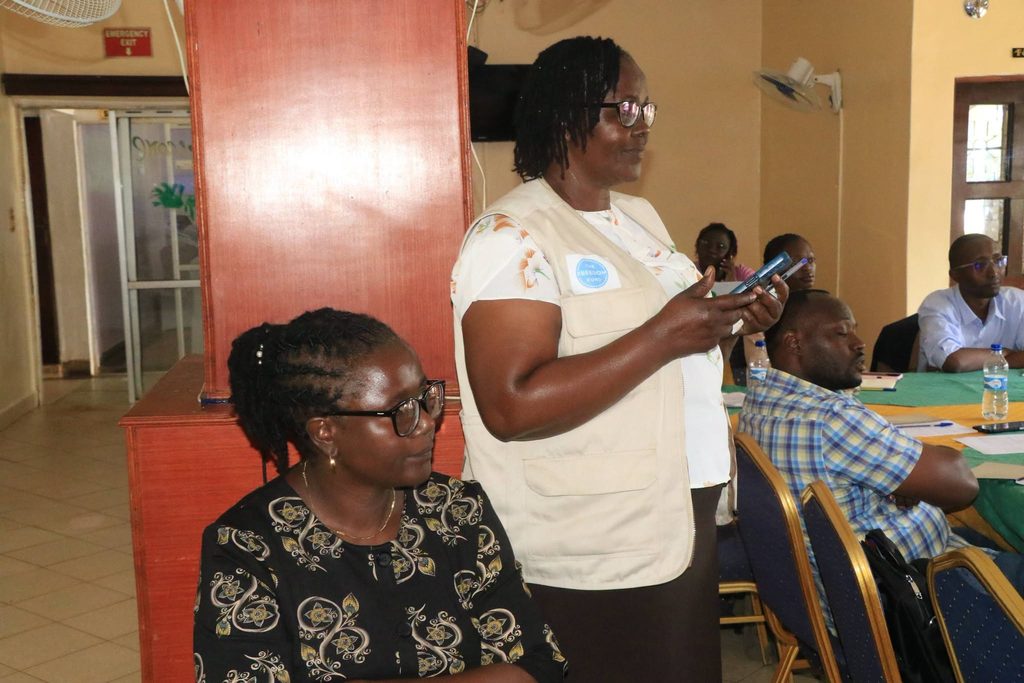
The meeting brought together representatives from a broad range of institutions and organisations, reflecting the multi-sectoral nature of the issues being addressed.
Institutions and stakeholders represented or identified included:
- State Department for Gender
- Directorate of Children Services (DCS)
- Department of Health
- Department of Labour
- Department of Social Services
- National Police Service
- Probation and Aftercare Services
- Directorate of Vocational and Technical Training
- National Council for Persons with Disabilities
- Department of Youth Affairs
- Office of the Director of Public Prosecutions (ODPP)
- Immigration Department
- Childline Kenya
- African Network for the Prevention and Protection of Children Against Abuse and Neglect (ANPPCAN)
- UNICEF
- United Kenya Rising
- Dhamira Moja CBO
- CCGD
- CEDC
- ICS
The diversity of stakeholders provided an opportunity to consider how different institutional mandates and areas of expertise could complement one another. Participants underscored the value of information sharing, coordinated engagement and building on interventions already undertaken by other organisations.
Mental health and complementary interventions in focus
Contributions from participants further enriched the discussions.
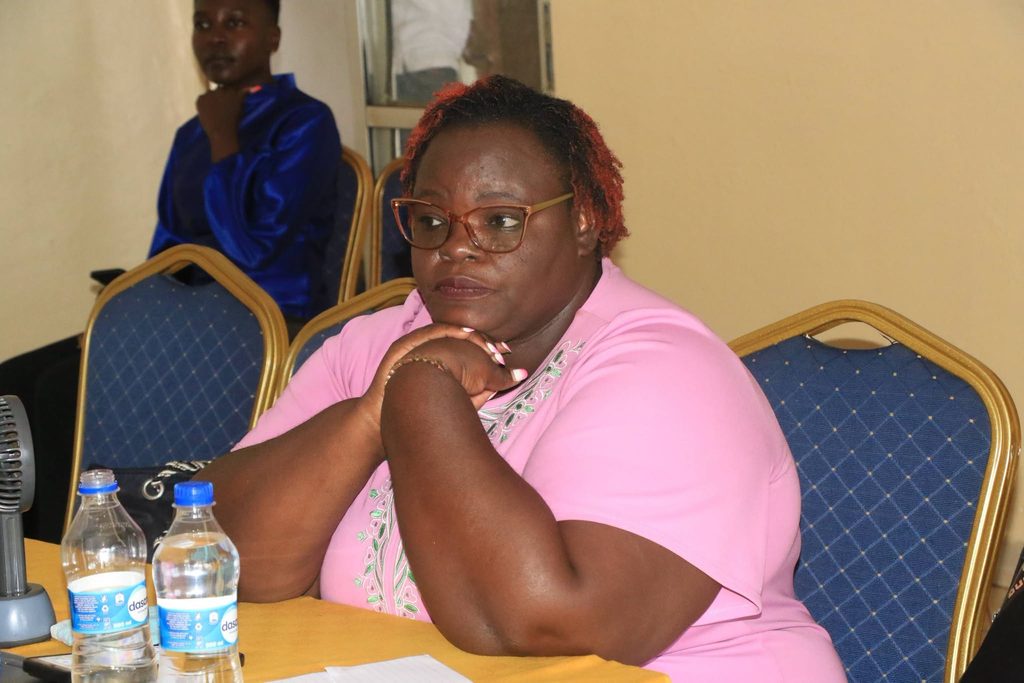
Bishop Bulimo, County Psychologist, emphasised the importance of integrating mental health into programme design and implementation. He highlighted the need to consider the psychological and emotional well-being of children and communities alongside other social and protection interventions.
Mr. Patrick Mukoluwe, Board Representative, appreciated the participants for their engagement and expressed commitment to supporting stakeholder processes that contribute to programme success. He emphasised collective responsibility and the need for stronger coordination in advancing child protection efforts in Busia County.
Paul Ekwenye, CECM,Youth, sports, gender.culture and Social protection highlighted the importance of complementary approaches when addressing social challenges. His contribution drew attention to the links between youth sports, gender, social protection and early childhood development, and the need for interventions in these areas to complement one another.
These contributions reinforced the importance of approaching community and protection concerns holistically, while recognising the different needs and experiences of the people affected.
Harnessing information to strengthen child protection
During the meeting, Baridi Kwa Baridi Executive Director, Ms Maureen Ayodi, also shared the organisation’s ongoing work to develop a Child Domestic Labour (CDW) app.
The proposed application is intended to support data collection and make it easier to track cases and interventions, strengthening the availability of information for more coordinated and responsive action. The organisation hopes to launch the application during the Haki & Dignity Assembly conference, subject to its development and the necessary safeguards.
Emerging priorities and the way forward
The discussions identified several considerations that will inform programme implementation:
- Survivor-centred evidence collection: Using ethical storytelling, story circles and participatory methods to ensure survivors’ experiences inform programme understanding and action.
- Safe spaces and confidentiality: Creating respectful environments where survivors can participate voluntarily without compromising their dignity or privacy.
- Inclusive representation: Considering gender balance, diversity and the participation of relevant sectors when selecting participants.
- Institutional collaboration: Engaging government departments, civil society organisations and cross-border actors according to their mandates and areas of expertise.
- Evidence sharing: Reviewing existing reports and research to establish what is already known and identify areas requiring further investigation.
- Mental health integration: Giving appropriate consideration to psychological and psychosocial well-being in programme interventions.
- Geographical and resource planning: Aligning the proposed scope of engagement with available resources and implementation capacity.
Moving forward, Baridi Kwa Baridi will continue engaging relevant institutions and partners, refine its evidence collection approaches, identify appropriate participants and strengthen opportunities for information sharing and cross-border collaboration.
The organisation will also consider how existing reports, community knowledge and institutional experience can inform the programmes, ensuring that implementation builds on available evidence rather than duplicating previous efforts.
Towards coordinated and meaningful programme action
The inception meeting marked an important step in introducing Baridi Kwa Baridi’s Haki & Dignity Assembly programme to relevant stakeholders and creating a foundation for collaboration.
It also provided a platform for different actors to share perspectives, identify areas of mutual interest and discuss how their contributions could support programme implementation.
For Baridi Kwa Baridi, meaningful programme implementation requires more than bringing institutions together. It requires listening to the people whose experiences inform the work, recognising the value of different forms of evidence and building partnerships that translate shared understanding into coordinated action.
Looking ahead: The Haki & Dignity Assembly
One of the key outcomes of the convening was the preparation for a three-day conference bringing together survivors of child domestic work and stakeholders working to end exploitation.
Planned for early 2027 in Busia, the Haki & Dignity Assembly is expected to bring together more than 40 survivors and over 20 stakeholders. It will provide an important platform for survivors and partners to share evidence, engage decision-makers, identify gaps in protection and advance practical commitments towards safer domestic labour and stronger cross-border responses.
Through Haki & Dignity Assembly and NIA, Baridi Kwa Baridi seeks to strengthen collaboration, centre lived experiences and contribute to more responsive social protection efforts in the communities it serves.
#HakiAndDignity#SurvivorLedMovement#ChildProtection#EndChildExploitation#SafeDomesticLabour#BusiaCounty#baridikwabaridi
Comments are closed