
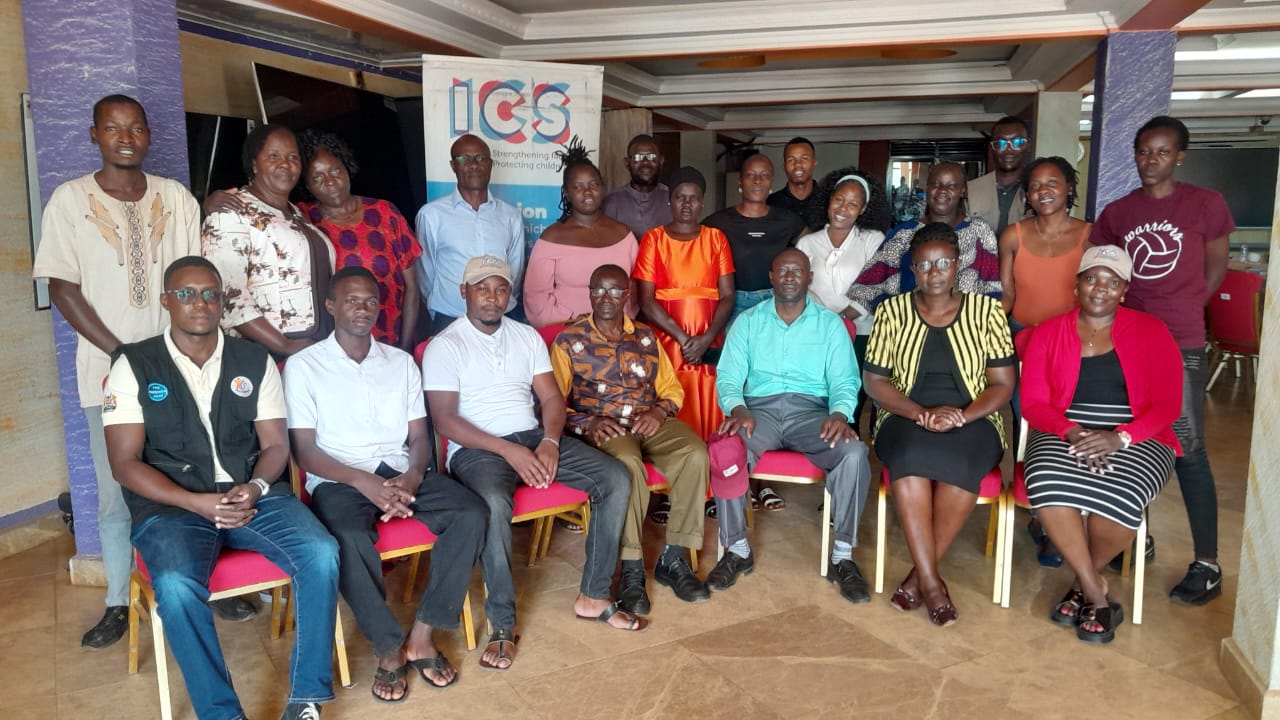
This transformative training brought together organisations under the Not Invisible Anymore Project in Kakamega and Busia county.The training aimed to strengthen parents’ and caregivers’ capacity to promote gender equality, positive discipline, shared caregiving responsibilities and holistic child development within families and communities.
Why Gender Transformative Parenting Matters
Gender inequalities and harmful social norms continue to influence parenting styles, household decision-making, and child development. Traditional approaches often reinforce rigid gender roles, unequal power relations, and the use of corporal punishment.
The GTSP training was designed to address these challenges by equipping participants with practical tools to:
- Promote equitable gender roles at the household level
- Encourage positive and non-violent discipline
- Increase male involvement in caregiving
- Prevent Gender-Based Violence (GBV)
- Support children’s emotional and cognitive development
By transforming parenting practices, we strengthen families and ultimately, communities.
A Participatory and Engaging Learning Approach
The five-day training adopted interactive and experiential learning methods, ensuring participants did not just learn theory, but practiced new skills.
Sessions included:
- Group discussions
- Role plays and simulations
- Case study analysis
- Reflection exercises
- Experience-sharing sessions
- Household action planning
Participants were encouraged to critically examine existing gender norms and reflect on how these norms influence their parenting behaviors.
Key Learning Areas
1️⃣ Understanding Gender and Power Dynamics
Participants explored:
- The difference between sex and gender
- How society constructs gender roles
- Household power relations
- The impact of harmful norms on children
2️⃣ Gender Transformative Parenting
Discussions challenged stereotypes such as:
- “Boys don’t cry”
- “Girls belong in the kitchen”
Parents reflected on promoting equal opportunities for girls and boys and encouraging joint decision-making within families.
3️⃣ Positive Discipline
The training emphasized moving away from corporal punishment and adopting communication-based, problem-solving approaches that teach accountability without violence.
4️⃣ Shared Caregiving Responsibilities
A strong focus was placed on:
- Active fatherhood
- Equitable division of domestic tasks
- Strengthening co-parenting relationships
5️⃣ Prevention of Gender-Based Violence
Participants learned to:
- Model respect and non-violence at home
- Teach children about consent and boundaries
- Address harmful practices such as early marriage
Outcomes and Impact
By the end of the training, notable outcomes included:
- Increased awareness of gender equality principles
- Improved understanding of positive discipline approaches
- Commitments from male participants to actively engage in caregiving
- Enhanced knowledge on preventing GBV at the household level
- Development of household action plans to implement gender-transformative practices
Participants reported greater confidence in:
- Communicating effectively with their children
- Resolving family conflicts peacefully
- Supporting both girls and boys equally in education and development
Challenges Identified
While the training was impactful, several challenges were noted:
- Deep-rooted cultural beliefs regarding gender roles
- Resistance from some participants regarding reduced use of corporal punishment
- Economic stress factors influencing parenting practices
These challenges highlight the need for sustained engagement and community-wide dialogue.
Key Lessons Learned
Engaging men directly is critical to transforming household gender dynamics.
Practical demonstrations and role plays are highly effective learning tools.
Safe dialogue spaces encourage openness and behavioral reflection.
Linking parenting training with economic empowerment initiatives increases sustainability and long-term impact.
The Way Forward
To strengthen and sustain the impact of this training, the following steps are recommended:
- Conduct follow-up mentorship sessions to reinforce learning.
- Establish community-based parent peer-support groups.
- Integrate Gender Transformative Skillful Parenting into ongoing livelihood and child protection programs.
- Engage local leaders and influencers to champion behavior change.
- Monitor household-level behavior change through periodic assessments.
Conclusion
The five-day Gender Transformative Skillful Parenting training marked a significant milestone in strengthening child protection, gender equality, and family well-being within our communities.
By equipping parents and caregivers with practical, transformative skills, we are not only changing parenting practices — we are shaping a future where children grow up in homes defined by equality, respect, and non-violence.
At Baridi Kwa Baridi Women CBO, we remain committed to walking this journey with families as we build stronger, safer communities together.
Special Appreciation
We extend our sincere gratitude to ICS-SP for facilitating and supporting the Gender Transformative Skillful Parenting training.
Your technical guidance, commitment to strengthening families, and dedication to advancing child protection and gender equality made this five-day training both impactful and transformative.
Through your partnership, parents and caregivers were equipped with practical skills to promote positive discipline, shared caregiving, and non-violent family environments. The knowledge and tools shared will continue to ripple through households and communities long after the training has concluded.
We deeply value this collaboration and look forward to continued partnership in building safer, more equitable communities for children and families.


Comments are closed