
Baridi Kwa Baridi Women CBO joins the world in commemorating the 16 Days of Activism Against Gender-Based Violence, a global campaign running from 25th November to 10th December each year. This period serves as a powerful reminder of the urgent need to end violence in all its forms; physical, emotional, economic, sexual and increasingly, digital.
This year, the whole world highlights the theme:
“Unite to end all forms of digital violence against women and girls.”
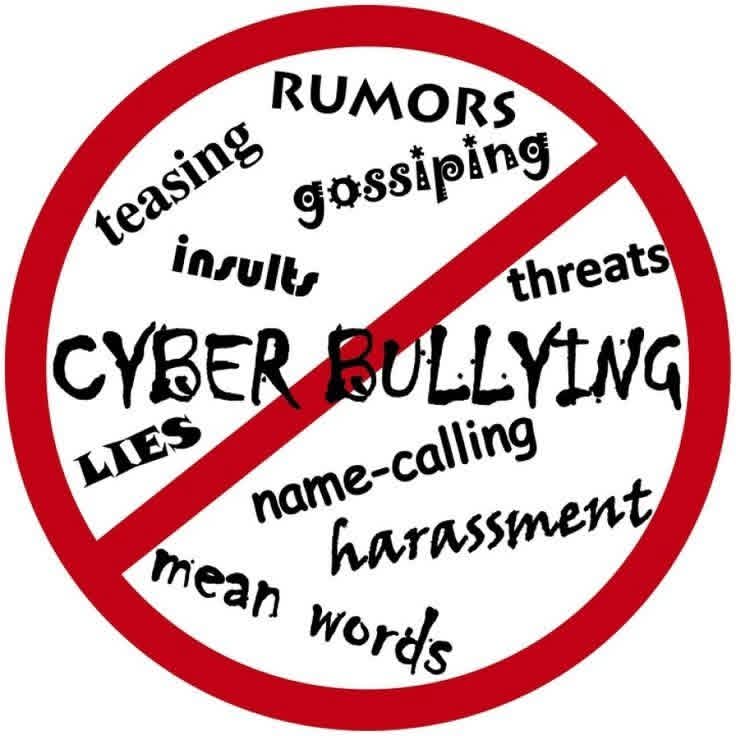

As technology becomes part of everyday life, digital platforms have emerged not only as tools for connection and opportunity, but also as new spaces where women and girls face violence, harassment and exploitation. This theme calls on all of us; communities, families, institutions, tech players and government to work together to ensure safety online.
What This Year’s Theme Means
The theme emphasizes that online safety is now a crucial component of gender justice. Violence no longer happens only in homes or streets; it also occurs on:
- TikTok
- SMS
- Online job platforms
- Learning spaces
- Gaming platforms
Digital violence is real violence. The emotional, psychological, social and economic impact can be just as devastating as physical harm.
The theme urges collective action to:
- Build digital literacy and safety skills
- Create accountability for perpetrators
- Empower girls and women to navigate online spaces confidently
- Strengthen laws and community protection systems
- Promote ethical and responsible use of technology
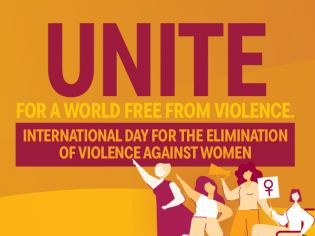
Key Forms of Digital Violence Affecting Women and Girls
Women and girls across Kenya are increasingly experiencing:
1. Cyberbullying
Harassment, insults, harmful comments, shaming, and threats targeting women and girls online.
2. Non-consensual sharing of intimate images
The release or threat to release private photos (“revenge porn”), often used as blackmail or control.
3. Online sexual exploitation
Grooming, sextortion, manipulation for sexual content, or exploitation of vulnerable girls such as child domestic workers.
4. Digital stalking and surveillance
Excessive monitoring, repeated unwanted messages, account hacking, or GPS/location tracking.
5. Identity theft and impersonation
Fake accounts created in the victim’s name to deceive others or damage reputations.
6. Digital blackmail and extortion
Demanding money or sexual favors with threats to expose private content.
7. Gendered hate speech and misinformation
False narratives and targeted harassment especially aimed at silencing girls, women, and women leaders.
Why Digital Violence Affects Women and Girls the Most
While anyone can be a target, women and girls face these harms more due to:
1. Gender power imbalances
Patriarchal norms embolden perpetrators, especially under online anonymity.
2. Cultural stigma and victim-blaming
Girls suffer harsher consequences when their personal information is leaked, often facing shame, isolation, or school dropout.
3. High online presence but low digital safety skills
Adolescent girls and young women spend more time online but may not fully understand privacy settings or digital risks.
4. Vulnerability among marginalized groups
Girls in poverty, survivors of SGBV and child domestic workers have fewer protective systems making them easy targets for online predators.
5. Emotional and mental health impact
Digital attacks trigger anxiety, depression, loss of confidence, withdrawal from social spaces and in severe cases, suicidal thoughts.
6. Cultural double standards
A girl’s “reputation” is judged more harshly, making digital attacks especially damaging.
Key Themes Highlighted During the 16 Days of Activism
Throughout the campaign, organizations globally and locally focus on:
1. Awareness on Gender-Based Violence
Educating communities about all forms of violence, including new digital forms.
2. Promoting Digital Safety
Teaching girls, parents, caregivers, and communities how to navigate online spaces safely.
3. Strengthening SGBV Response Systems
Working with law enforcement, health facilities, and community structures to support survivors.
4. Empowerment of Women and Girls
Leadership, economic empowerment, mental health support, and strengthening self-confidence.
5. Changing Harmful Social Norms
Challenging beliefs that normalize violence and limit girls’ freedom.
6. Legal and Policy Advocacy
Pushing for stronger laws that protect women online and offline.
7. Survivor-Centered Approaches Ensuring confidentiality, dignity and the protection of survivors’ rights.
Baridi Kwa Baridi Women CBO’s Commitment During the 16 Days
As an organization deeply involved in preventing SGBV and empowering women and girls in Busia County, throughout this period, Baridi Kwa Baridi Women CBO will:
- Participate in community sensitization forums on digital safety
- Engage girls, young women, mothers, and community leaders on understanding online risks
- Advocate for the protection of children, especially child domestic workers who are more exposed to hidden and online forms of exploitation
- Share daily awareness messages on our platforms
- Work closely with county stakeholders to amplify the call to end SGBV in all forms
A Call to Action
We call upon community members, parents, teachers, leaders, youth and partners to join us in promoting safe digital spaces for all.
Comments are closed