
A survivor’s access to safety, medical care and justice should never depend on how well institutions communicate with one another.
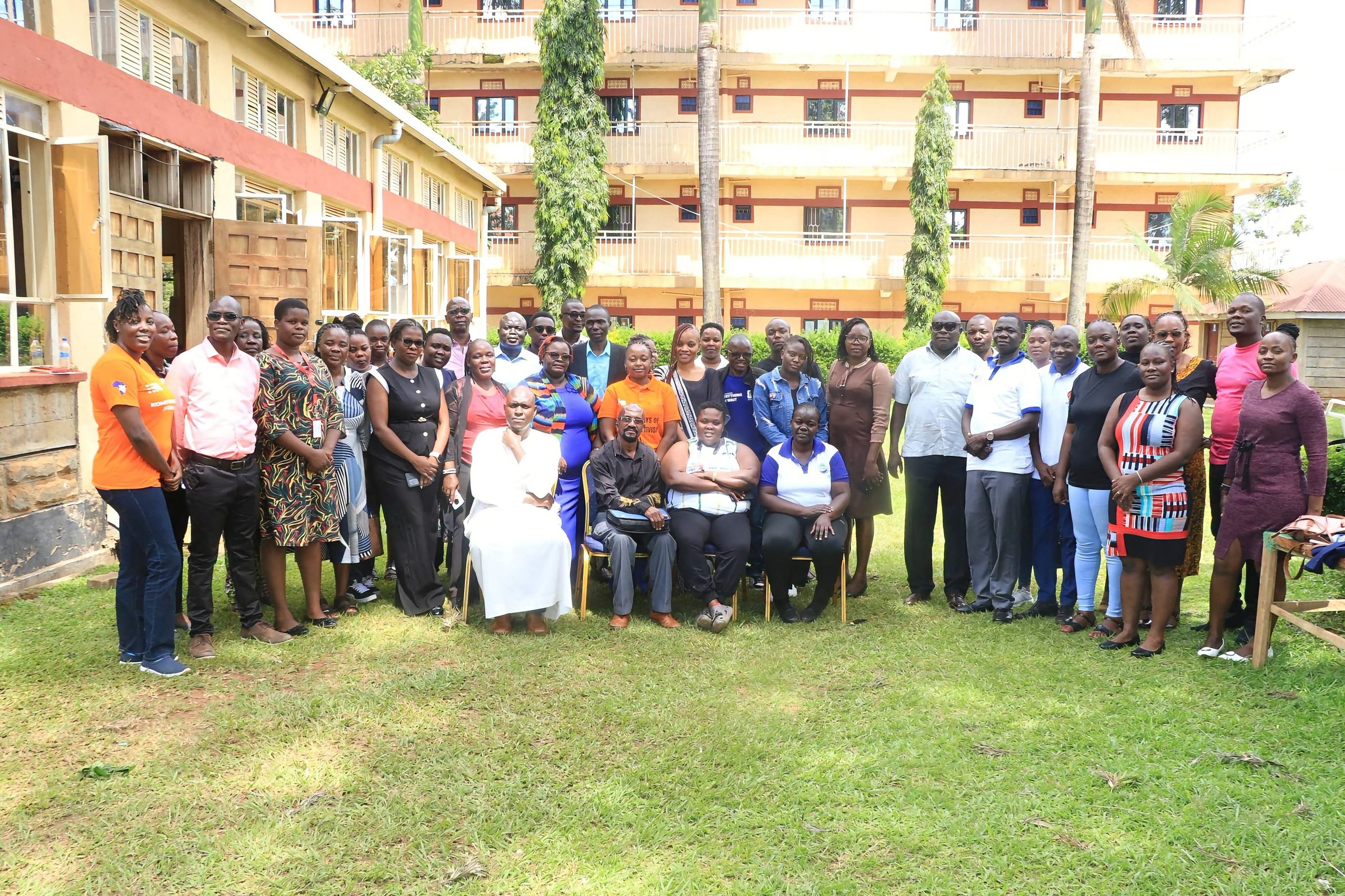
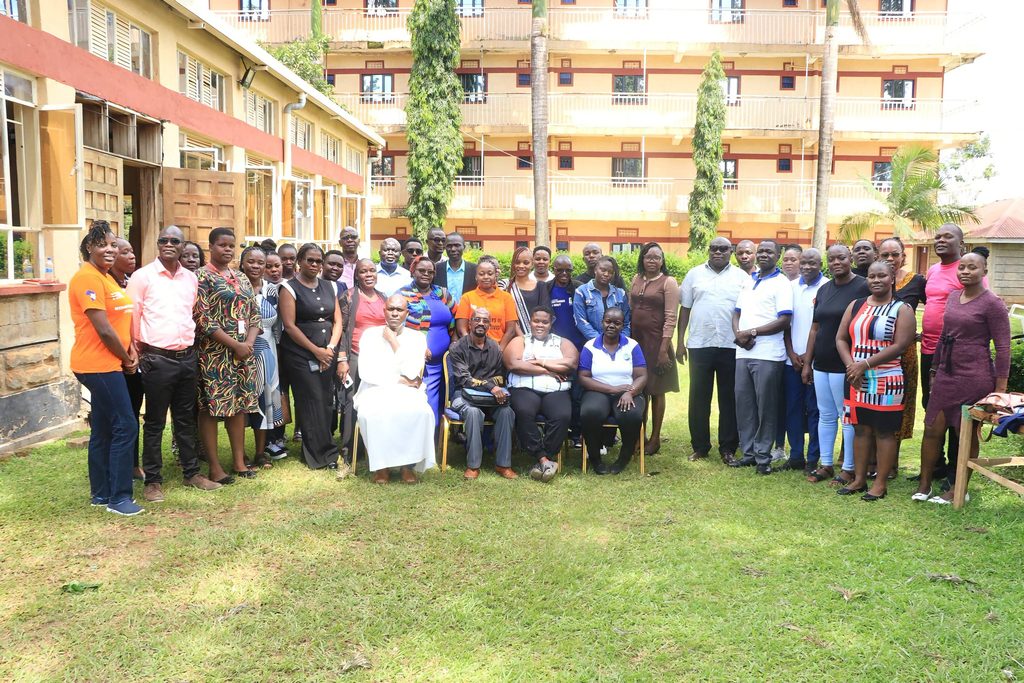
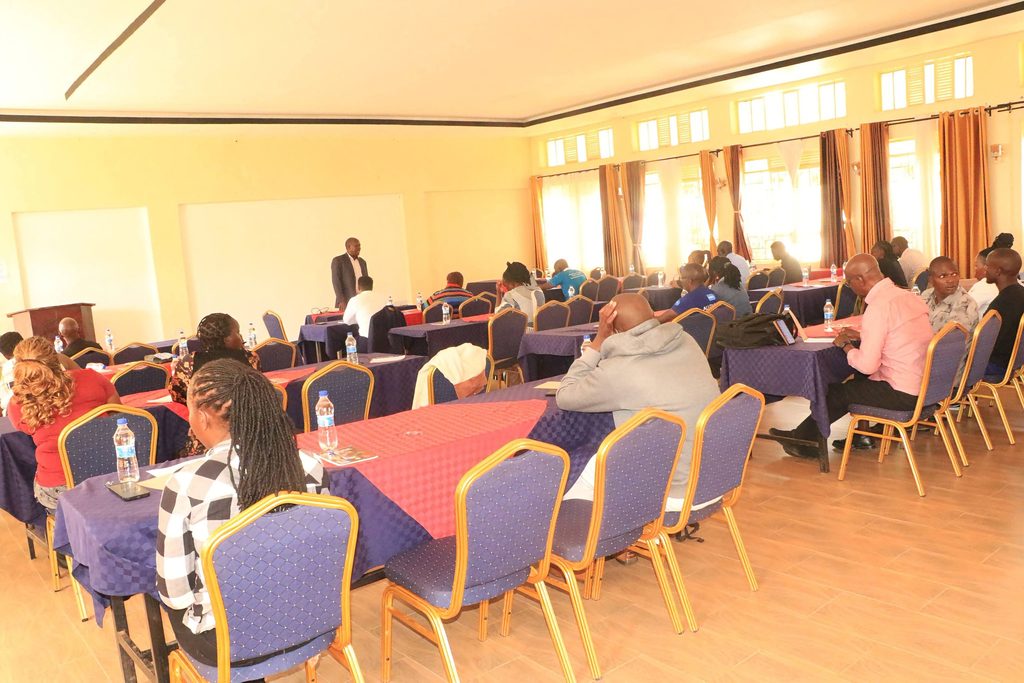
Baridi Kwa Baridi joined county stakeholders on 12th November at Farmview Hotel, Busia, for a Gender-Based Violence (GBV) Stakeholders Sensitization Meeting convened by the County Government of Busia through the Department of Health and Sanitation, in collaboration with the Collaborative Centre for Gender and Development (CCGD), with support from the United Nations Population Fund (UNFPA).
The meeting brought together government departments, healthcare professionals, civil society organisations and other actors involved in preventing and responding to Sexual and Gender-Based Violence (SGBV) in Busia County.
The engagement formed part of ongoing Ebola Virus Disease (EVD) preparedness and response efforts, which include strengthening sexual and reproductive health services, GBV prevention and response, survivor-centred referral systems and the capacity of frontline service providers in high-risk border counties.
When cases never reach the right institutions
One of the concerns emerging from the discussions was the number of SGBV cases that fail to reach formal service providers because they are resolved informally within communities through unauthorised dispute mechanisms, commonly known as kangaroo courts.
This practice raises serious concerns about survivors’ access to timely medical attention, psychosocial support, protection and justice.
Sexual and gender-based violence is not simply a private disagreement to be settled between families or community representatives. It requires appropriate intervention, professional support and accountability through established legal and service delivery systems.
The discussions therefore placed renewed emphasis on strengthening referral pathways so that survivors are connected to the right services without unnecessary delays or interference.
Building a response that works beyond institutional boundaries
Effective GBV response requires more than individual organisations carrying out their respective mandates. It requires a functioning network in which information, referrals and responsibilities are clearly understood.
Stakeholders identified several areas requiring attention, including:
- – Stronger referral coordination: Improving the movement of cases between health facilities, law enforcement, justice institutions and psychosocial support providers.
- – Better case data: Strengthening data centralisation and ensuring participating agencies present updated case information during subsequent review meetings.
- – Access to justice: Highlighting the need for the Office of the Director of Public Prosecutions to expedite pending SGBV cases.
- – Frontline worker wellbeing: Recognising the psychological toll of handling traumatic cases and the need for regular debriefing and support for healthcare workers and other caregivers.
- – Emergency preparedness: Ensuring that GBV prevention and response remain part of public health emergency preparedness, particularly in border and migration corridor communities.
The meeting also highlighted the importance of sustaining specialised survivor support services, including the Gender-Based Violence Recovery Centre at Busia County Referral Hospital.
The people behind the response matter too
An important dimension of the discussions was the wellbeing of those who receive, document and support survivors of violence.
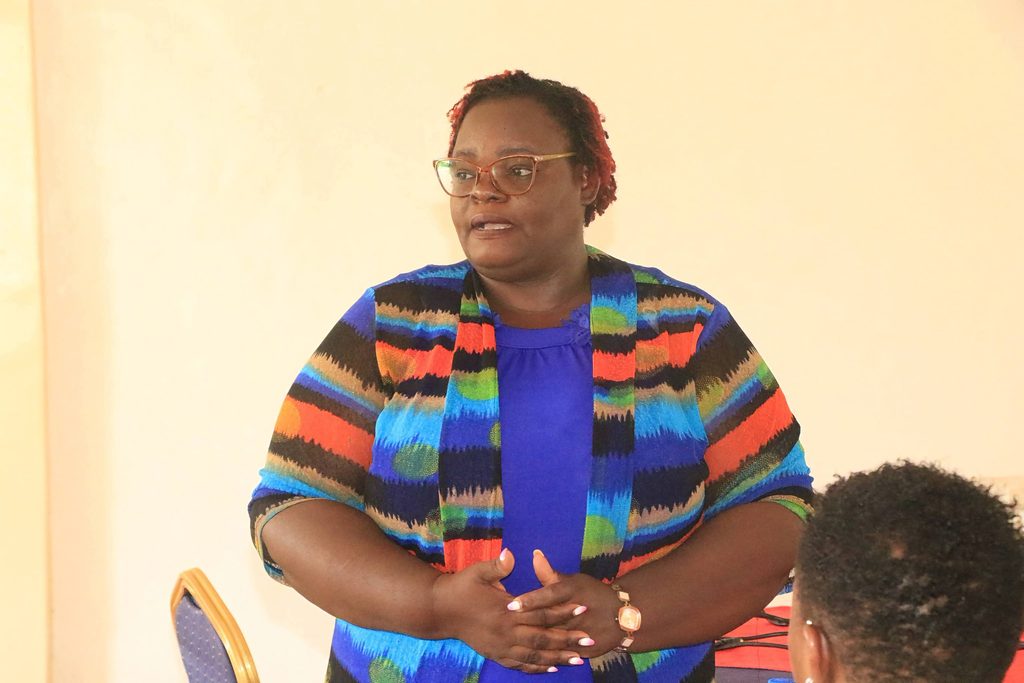
Representatives from the Kenya Counselling and Psychological Association, clinical psychology and county social work services underscored the need for regular psychological debriefing for frontline personnel.
Those who support survivors are regularly exposed to distressing accounts of violence and trauma. Their wellbeing is therefore an essential part of maintaining an effective response system.
Stakeholders also called on civil society organisations to begin early preparations for the upcoming 16 Days of Activism Against Gender-Based Violence.
Baridi Kwa Baridi’s perspective
GBV prevention and response is one of Baridi Kwa Baridi’s thematic areas of work. Our engagement in county-level coordination spaces is informed by the understanding that addressing violence requires attention not only to prevention, but also to what happens when violence is reported.
A survivor-centred response must be accessible, coordinated and accountable. Reporting should lead somewhere. Referrals should result in support. Cases should not disappear between institutions, and violence should never be reduced to an informal community settlement.
The measure of a GBV response system is not simply the number of cases reported, but whether survivors receive the protection, care and justice they are entitled to.
Baridi Kwa Baridi recognises the importance of sustained collaboration between government institutions, civil society, healthcare providers and justice actors in closing the gaps that continue to affect survivors in Busia County.
Comments are closed