6 November 2026 | Bungoma County, Kenya
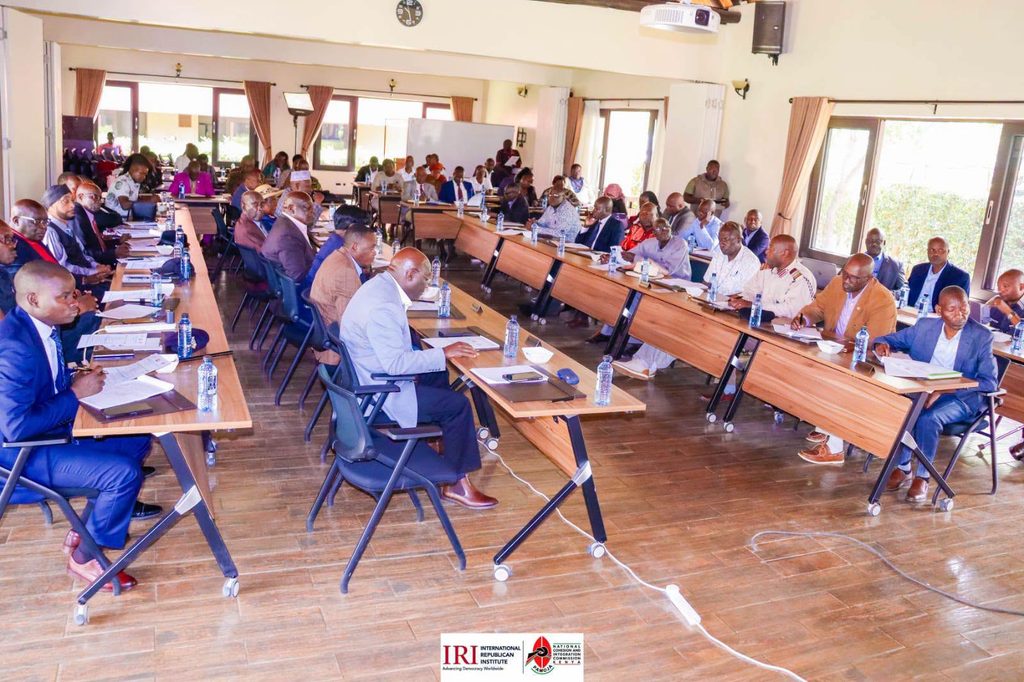
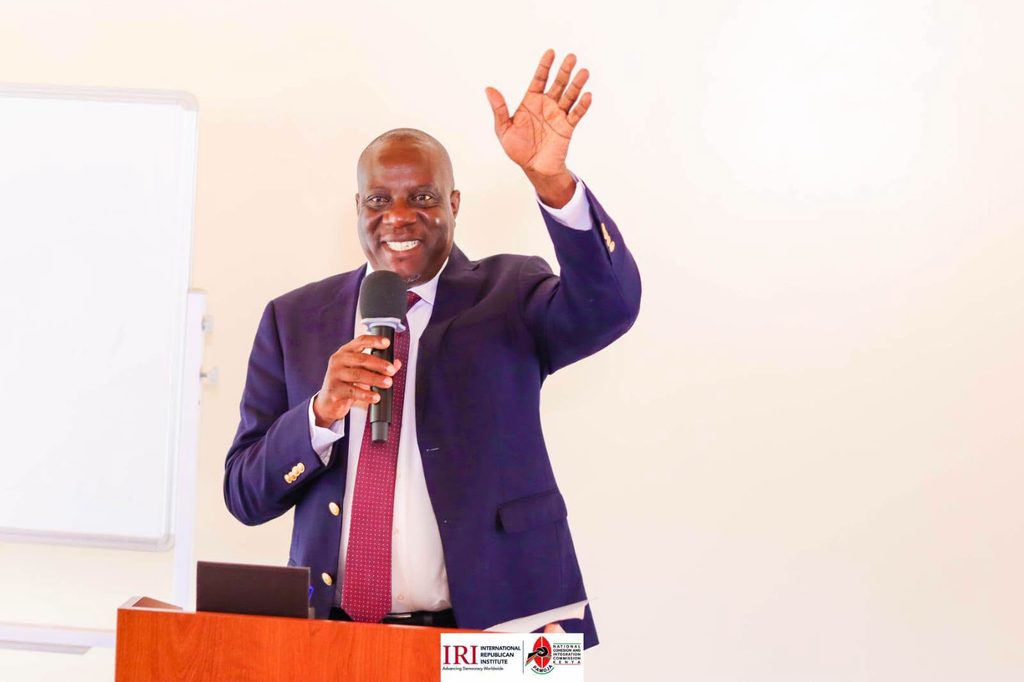
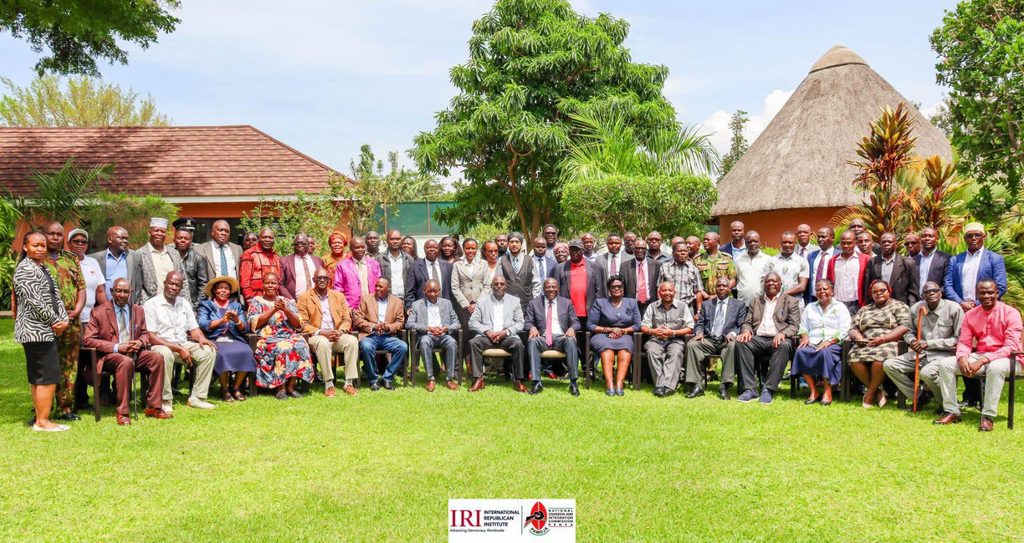
Our Director,Ms. Maureene Ayodi today represented Busia County as a woman leader at the Western Region State of Peace and Security Dialogue, convened by the National Cohesion and Integration Commission (NCIC) in partnership with the International Republican Institute (IRI) at Hunters Paradise Hotel, Bungoma County.
The regional engagement, led by NCIC Commissioner Hon. Swadi Kedogo, brought together stakeholders from Bungoma, Kakamega, Busia, Vihiga and Trans Nzoia counties to assess peace and security risks and strengthen preparedness ahead of Kenya’s 2027 General Election.
The dialogue provided an important platform for examining emerging threats to peaceful coexistence and identifying practical approaches to electoral conflict prevention. Key areas of discussion included hate speech, misinformation and disinformation, early warning and response mechanisms, institutional coordination, and the proposed establishment of a Regional Network of Eminent Persons to support dialogue and mediation.
Women must be part of the solutions
For our Director, engagement in peace and security processes is not merely about occupying a leadership position or representing a county. It is about advancing a principle that has remained central to her approach to leadership: women must be meaningfully involved in shaping the peace and security agenda.
Women and girls frequently bear significant consequences of electoral and communal violence. Beyond the immediate physical risks, violence can disrupt livelihoods, deepen economic vulnerability, undermine participation in public life and expose women to gender-based violence and intimidation.
Yet, despite experiencing these consequences, women are not always adequately represented in the structures and conversations responsible for preventing conflict and determining responses to insecurity.
Our Director believes this gap must be addressed.
Women should not only be invited to participate in peacebuilding conversations; they must have meaningful influence in decision-making, mediation, conflict prevention and the development of sustainable solutions.
Their experiences at household and community levels give them valuable perspectives on emerging tensions, social relationships and the underlying causes of conflict. Recognising and incorporating this knowledge strengthens the effectiveness and inclusivity of peacebuilding interventions.
This calls for deliberate investment in women’s leadership, stronger representation in peace structures, and mechanisms that enable women at grassroots level to contribute to early warning, dialogue and conflict resolution.
Building on sustained engagement in peacebuilding
Today’s dialogue builds on ongoing engagement with NCIC and other peacebuilding stakeholders around strengthening social cohesion and preventing electoral violence ahead of the 2027 General Election.
The emphasis on collaboration between national institutions, county peace structures, civil society organisations, community leaders and other stakeholders is particularly important.
Peacebuilding cannot be left to security institutions alone. It requires functional community-based structures, timely information sharing, trusted mediation mechanisms and the active participation of citizens.
For Busia County, strengthening these mechanisms is especially important in ensuring that emerging tensions are identified early and addressed before they escalate.
The proposed Regional Network of Eminent Persons also presents an opportunity to strengthen dialogue and mediation across counties, drawing on the experience and leadership of individuals and institutions committed to peaceful coexistence.
Towards peaceful and inclusive elections in 2027
As the country prepares for the 2027 General Election, the responsibility to safeguard peace must extend beyond election day. It begins with addressing divisions, challenging hate speech, promoting responsible public engagement and creating spaces where differences can be managed constructively.
Equally important is ensuring that women, young people and other often-underrepresented groups are not excluded from the processes that shape their communities’ futures.
Our Director’s participation reinforces the importance of inclusive leadership and the need to recognise women not merely as populations vulnerable to violence, but as essential actors in preventing it.
At Baridi Kwa Baridi, we believe that sustainable peace is built through collective responsibility, meaningful participation and the willingness to address the conditions that threaten the safety and dignity of communities.
Peace must not simply be discussed on behalf of women. Women must be part of defining it, building it and sustaining it.
Together, let us champion unity, tolerance and a peaceful electoral process.
#UchaguziBilaNoma #WomenInPeacebuilding #PeaceAndSecurity #InclusiveLeadership #OnePeopleOneNationOneDestiny
Comments are closed