About Us

Who We Are

A women led community organization based in Busia with their office located at Mundika Market.

Our Objectives

  • To foster women inclusion in decision making process activities so as to realize sustainable community development
  • . To provide sustainable methods of income generation methods for women in alleviating poverty at grass root level
  • To promote children’s rights including right to education, shelter, healthcare and parental care
  • To curb all forms of child exploitation, neglect and all forms of abuse within communities
  • To curb the spread of HIV/AIDS among Women, youth within communities through preventive measures and follow up
  • To promote digital literacy at grassroots level through digital skills empowerment programs
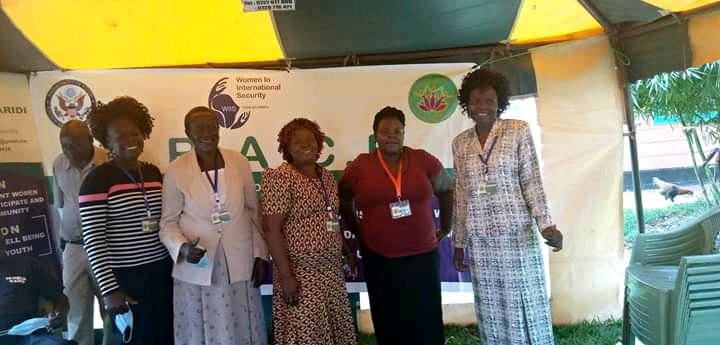
  • To promote peace and security within the community by empowering women to participate in conflict resolution, fostering social cohesion, and strengthening local mechanisms for preventing gender-based violence and other forms of insecurity.

THEMATIC AREAS OF OPERATION


1.Women Empowerment
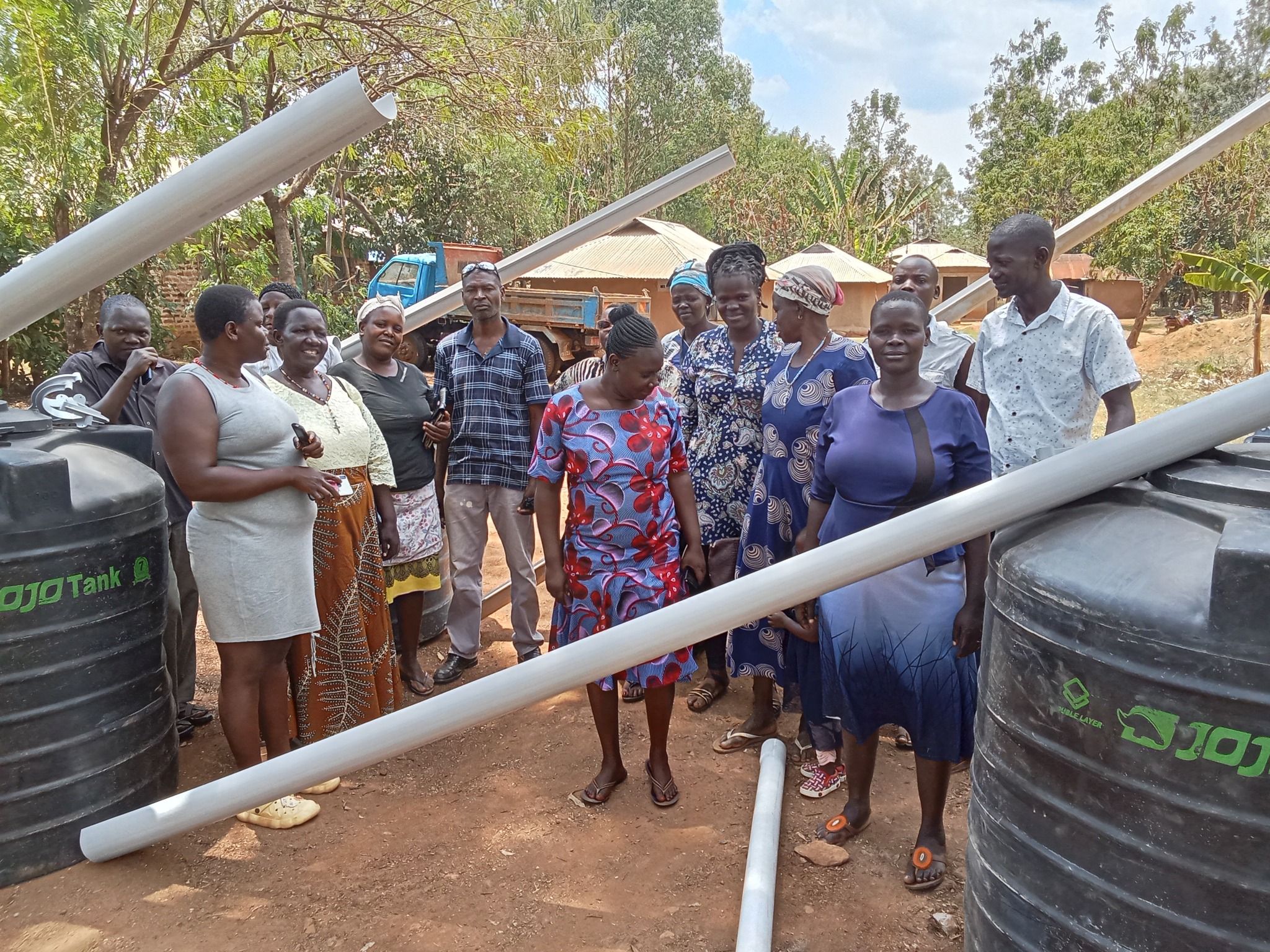
a) WWL (WOMEN,WATER AND LEADERSHIP PROJECT)

i) Provision of water tanks
ii) Purification of water using locally available material
iii) Provision of seeds,farm tools and equipment
iv) Preparation of kitchen gardens/utensils stands/
v) Financial literacy and entrepreneurship
vi) Table banking SILC groups.( Baridi kwa Baridi,The ongeza volume 1-7 groups,Nguzo Yetu KK,Neema group,Mundika girls,Lwanya 1&2)


2. Child protection
NIA(NOT INVISIBLE ANYMORE) PROJECT

i)Ending exploitation of child domestic workers through provision of alternative sources of income thru vocational trainings and apprentiship,Tailoring,Carpentry,Hairdressing,Entrepreneurship,Financial literacy and Psycho social support.
Coverage area: Samia (Nangina and Namboboto locations)and Matayos (Bukhayo West and Burumba)sub countys


3.Peace and Security
a)BRACE 1&2 Project.(Building resilience of active communities of empowered women)Matayos subcounty
b)UN Women Peace Committee initiatives
Annual peace walks
Alternative justice system
Peace and mediation

4.Food security
Scaling up nutrition
Working with children 0-8 years on improving their nutrition
Providing seedlings to caregivers
Promotion of drought resistant crops(cassava/Millet)

5. Advocacy against Gender-based violence (GBV/SGBV)
a)Offering safe house services
b)psyco-social support
c)facilitating sgbv survivors
d)Skilling


6. Menstrual hygiene management.
a) Providing disposable and reusable sanitary towels
b)Making and teaching on reusable sanitary towels
c) providing mentorship and education on mhm in schools

STRATEGIES OF OPERATION


  • Capacity-building/ awareness raising
  • Organizational development
  • Advocacy
  • Survivors support
  • Microfinance development

  • Vocational Training

ACHIEVEMENTS

  • The provision of over 100 water tanks to vulnerable women
  • Establishment of 9 table banking SILC groups
  • Ensured all homes of beneficiaries have tissue culture bananas procured and granted by Baridi plus Provided farm equipment tools to beneficiaries ( panga, jembe and slasher)
  • Conducted 3 successful peace walks prior to the general elections advocating for peaceful elections
  • Providing information on reproductive health and our office acting as a family planning centre. We offer government offered condoms and self testing kits. This has reduced the spread of HIV AIDS. We have successfully Provided psychosocial support, referrals and follow up services for HIV patients.
  • We have Offered 100 partial scholarships to continuing students in secondary schools
  • Recruiting, rehabilitating and offering training on alternative sources of income for child domestic workers. (Over 260 Child Domestic Workers ) in Bukhayo west
  • Implementing a project on digital skills literacy for 20 schools and 17 ECDE teachers in Bukhayo West through Matching grant initiative in partnership with KCDF
  • Mentorship, menstrual hygiene talks and padding girls in all the primary schools in Bukhayo west location

Constraints


  • Existing knowledge gaps within communities

  • Financial constraints due to overwhelming number of beneficiaries